Last updated November 23, 2026
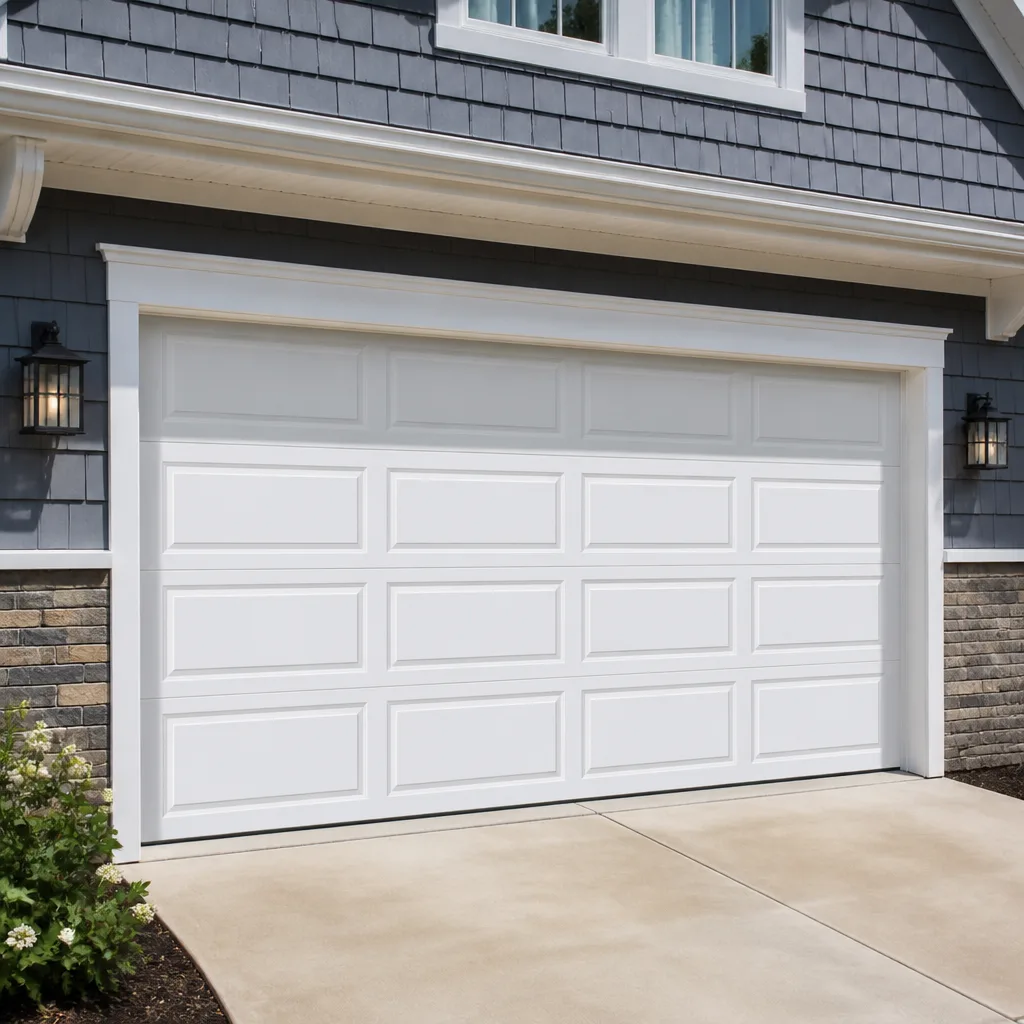 Raised-panel steel
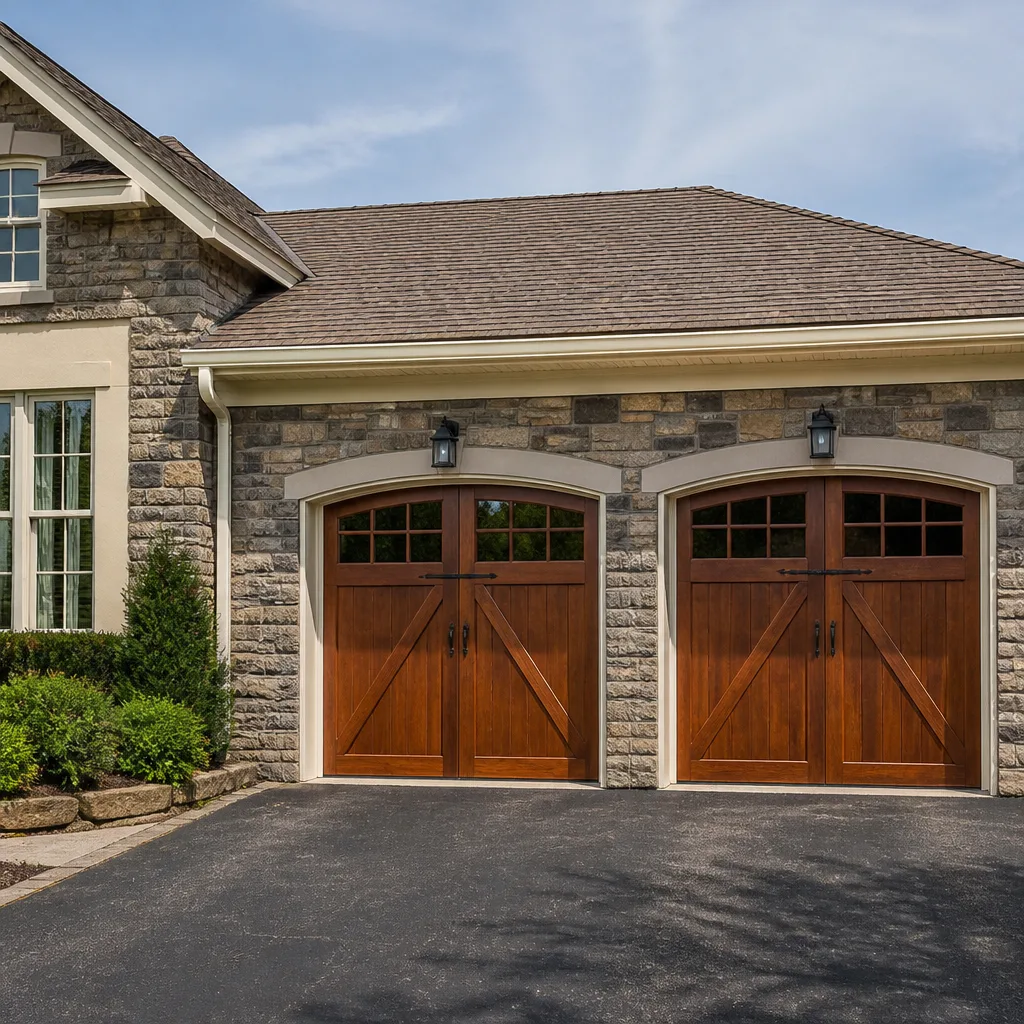 Carriage house
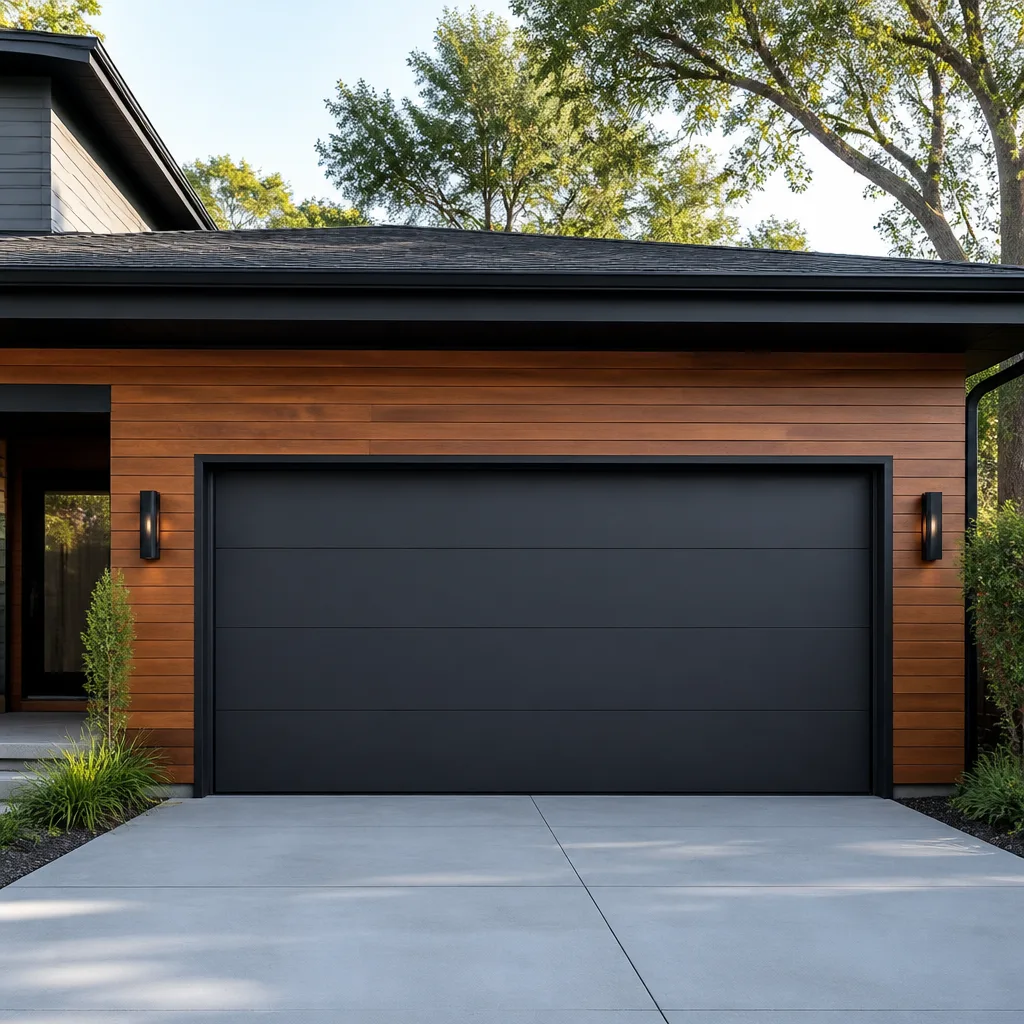 Modern flush
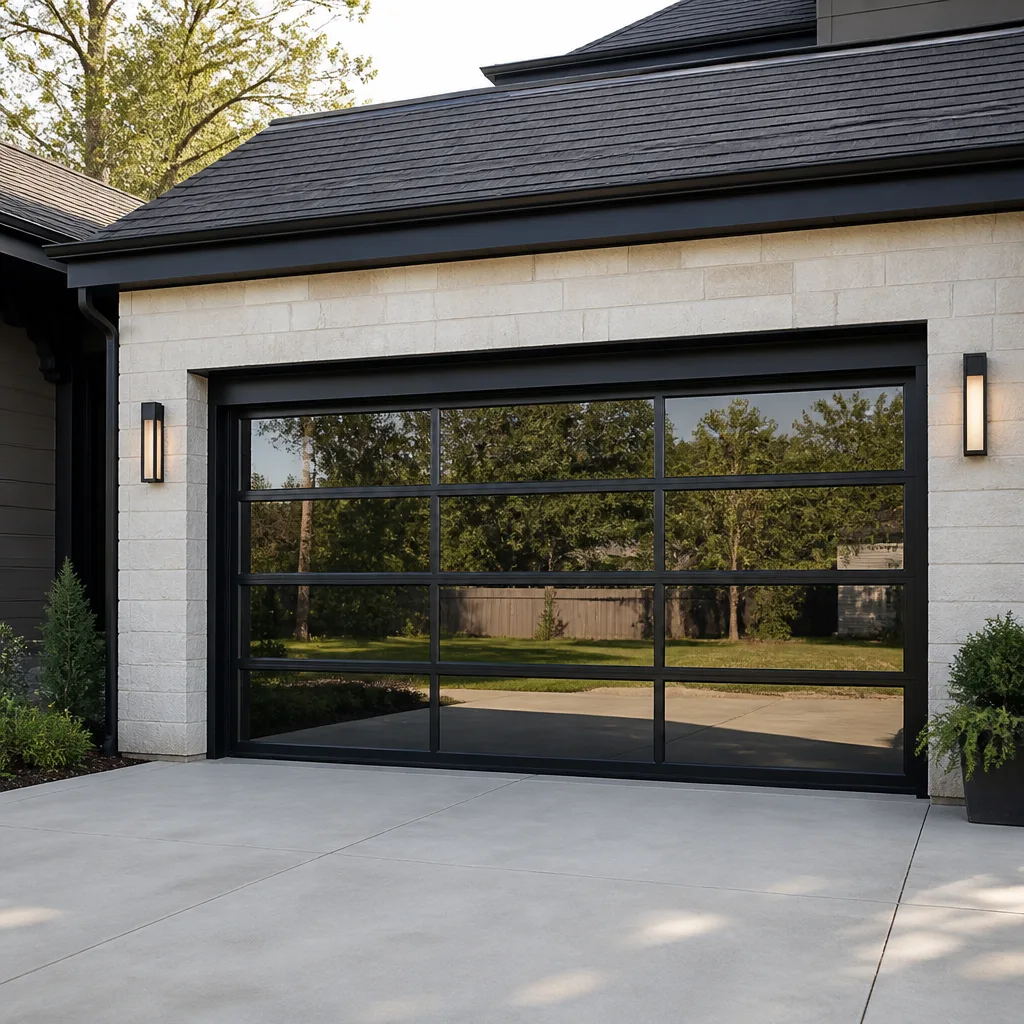 Full-view glass
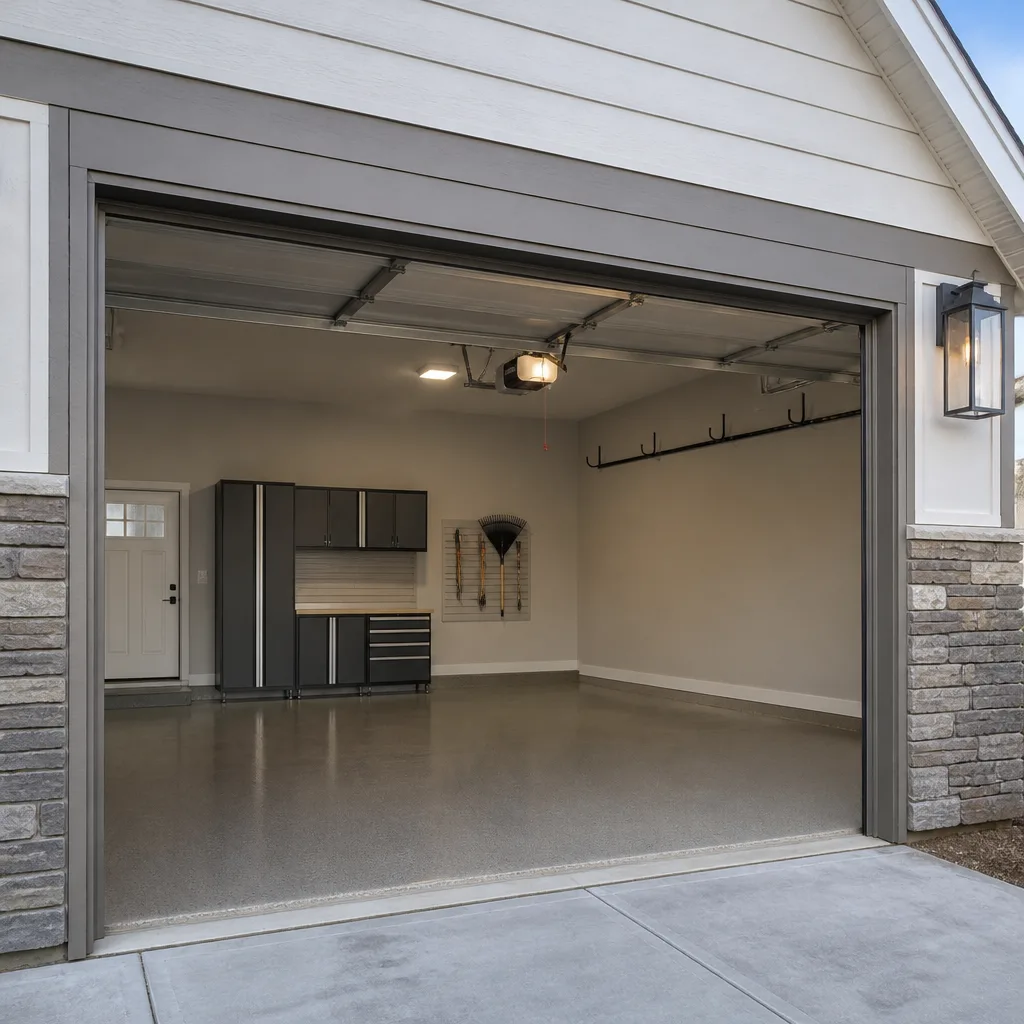 LiftMaster openers
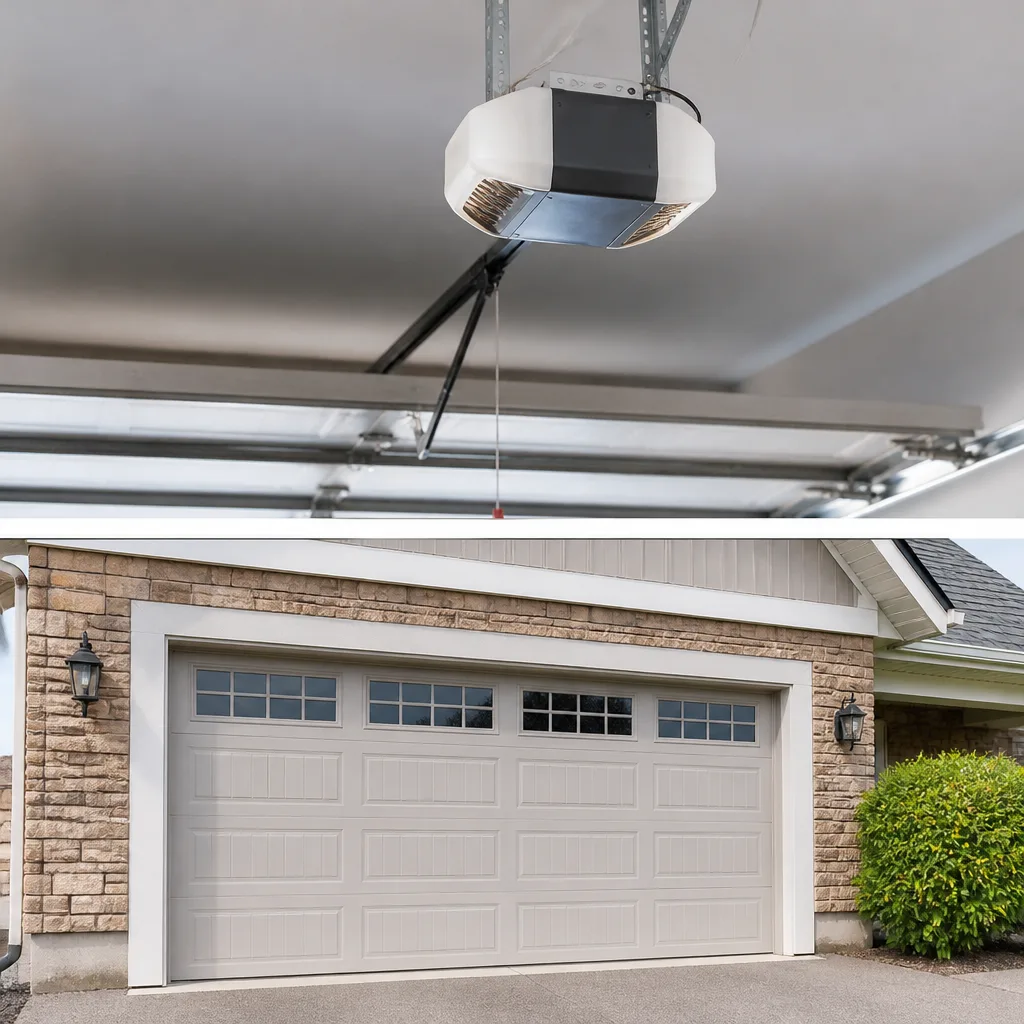 Chamberlain openers
Full 25-point door and opener safety check with every visit - springs, cables, rollers, tracks, and your LiftMaster or Chamberlain opener included
You get a price before we start. It does not change when the pro arrives.
Get your free estimateGarage Door Emergency Preparedness Guide for Wayne Homes
Most Wayne homeowners assume their garage door will fail on an ordinary afternoon, when a quick call fixes it. In our experience it rarely works out that way. It fails when a Nor’easter is already pushing rain sideways against the door, or when the power cuts out and the car is trapped inside, or when the springs let go twenty minutes before you need to leave. What catches people is not the breakdown itself. It’s that they’ve never once tested the manual release, don’t know what their opener model can and can’t do, and have no idea who to call or what to have ready when it happens. This guide covers all three emergency scenarios, the manual release steps for the openers we work on most in Wayne, and how to prepare before anything goes wrong.
Quick Answer
Garage door emergencies in Wayne fall into three scenarios that each need a different response: storm damage that compromises the opening, a power outage that leaves the door stuck, and a mechanical failure (usually a snapped spring or a door off its track) at a moment you can’t afford it. Preparation means knowing where your manual release is and testing it, understanding your opener, keeping a short emergency contact list, and pre-loading the information a technician will ask for so a repair call moves fast. Never attempt to fix a torsion spring, cable or track issue yourself; those are genuinely dangerous components.
Styles & brands we work with
- Raised-panel steel
- Carriage house
- Modern flush
- Full-view glass
- LiftMaster openers
- Chamberlain openers
Table of Contents
- The Three Emergency Scenarios Wayne Homeowners Actually Face
- How to Use Your Manual Release (and What to Do If It Won’t Work)
- Securing Your Door During a Power Outage or Storm
- Storm Damage Protocol: What to Document Before You Touch Anything
- Who to Call, and In What Order, When You’re Stuck
- Pre-Loading a Technician Relationship in Passaic County
- Common Mistakes to Avoid
- When to Call a Professional
The Three Emergency Scenarios Wayne Homeowners Actually Face
Not every garage door failure is the same emergency, and treating them the same is where homeowners get into trouble. A door that won’t open because the power is out is not a door that won’t open because a spring snapped. The first is a nuisance you can often manage safely on your own. The second is a mechanical problem you shouldn’t touch. And a door that’s been damaged by wind or a fallen limb is a third problem again, one that touches your home’s security and your insurance claim.
Here’s how the three break down, and what each one asks of you:
- Storm damage. High wind, falling branches or a shift in the frame can bend panels, pull the door off its track, or leave it hanging unevenly. Wind-driven rain can also drive water through the opening if the door won’t seat. The priority is securing the opening and documenting damage for your insurer before you move anything.
- Power outage. A dead opener leaves the door locked in place electronically. With most openers, the door can be released by hand and moved manually, which is the single skill most people have never practiced.
- Mechanical failure at a bad time. Snapped springs, frayed cables, a door that jumps the track, or an opener that runs but doesn’t lift. In Wayne, many homes run older doors on legacy openers, and those openers tend to fail at the worst moments. This category is where you stop and call a technician.
The reason this distinction matters: a power outage is often something you can safely handle with the manual release. A spring or cable failure is not, and the people who get hurt are usually the ones who treat a mechanical failure like a power outage and start pulling. Knowing which situation you’re in is the first decision, and it’s worth making before the weather turns.
How to Use Your Manual Release (and What to Do If It Won’t Work)
The manual release is a cord that hangs from the opener’s trolley, the carriage that slides along the rail and pulls the door. Pulling it disconnects the door from the opener so it can be moved by hand. Most Wayne homeowners have never tested theirs, and cords can be tangled, out of reach, or already disconnected in a way that stops them working when you need them. Here’s how to handle the most common opener types and what to do when the cord has been pulled but the door still won’t move.
First, a safety point that should come before anything else: if you suspect a broken spring (you’ll usually hear a loud bang and see a gap in the coil) or a snapped cable, do not try to lift the door by hand. The door’s weight is held by those springs, and a door with failed springs can come down hard or the cable can whip. Call a technician instead. The steps below apply to a door that’s mechanically sound and simply stuck because the opener has no power.
- Confirm the door is down and clear. Make sure no one is standing under the door and nothing is blocking the tracks.
- Find the release cord. On a LiftMaster or Chamberlain opener (the two most common in Wayne), it hangs from the trolley near the center of the rail. On a Genie system it’s in a similar spot on the carriage. If it’s out of reach, use a step stool, but keep your body out from under the door.
- Pull straight down firmly. You should feel the trolley disconnect. Don’t yank sideways; pull along the direction the cord hangs.
- Lift the door by hand, using the handle. A door with working springs should lift with steady effort. If it takes everything you’ve got, stop; that’s a spring problem, not a power problem.
- Re-engage when power returns. Run the opener and let the trolley reconnect, or pull the cord again in the direction marked on the carriage. Test the door with the opener once to make sure it’s reconnected before you trust it.
If you’ve pulled the cord and the door still won’t move: the trolley may not have fully released, the door may be bound in its track, or a spring may have failed. Try pulling the cord a second time while the door is fully down. If it still won’t budge, do not force it. A door that won’t move by hand after a release is a sign to stop and call. If it’s a mechanical fault, you’ve found the point where pro help is the right answer, and that’s what our garage door repair service is built for.
Securing Your Door During a Power Outage or Storm
When the power goes out, the garage becomes the weak point in a home’s security. An opener holds the door down, but with the opener dead, many doors can be lifted from outside if they’re not locked. The goal during an outage or a storm is to keep the door closed and locked with the least possible stress on the system, and without doing anything that damages the opener or the door.
Here’s the sequence that works and doesn’t harm the equipment:
- Leave the door down and use the lock. If your door has a manual lock bar, slide it into place. This is a temporary, no-damage way to hold the door closed.
- Disconnect the opener from the door if you need to lock it more firmly. Pull the manual release so the opener isn’t fighting the lock bar. Never leave the opener engaged and force a lock bar into place; that can burn out the opener’s gears.
- If the door is stuck open, keep it from traveling. A door stuck open in wind can slam or bend panels. If it’s safe to do so (no broken springs, no cables hanging), lower it by hand and lock it down. If it won’t lower safely, keep people and vehicles clear and secure the opening another way, such as parking a vehicle close to block access.
- For a door that won’t seat and lets rain in, a temporary barrier at the base keeps water out until the door can be repaired. Don’t try to force the door closed against a bent track or panel.
What you should never do during an outage: don’t prop the door open with a block and leave the opener engaged, don’t disconnect the springs or cables to “get it working,” and don’t force the door if it’s binding. Those are the moves that turn a power outage into a repair or an injury. A power outage is a time to use the manual release and the lock, then wait it out.
Storm Damage Protocol: What to Document Before You Touch Anything
In Wayne, storm damage to a garage door usually shows up as a bent panel, a door knocked off its track, or a bent or twisted section from wind pressure. Whatever the damage, the single most important thing you can do is document it before you move anything, because once you start pulling or straightening, your insurance claim gets harder to support. Here’s the order of operations.
- Stand back and photograph. Take wide shots of the whole door and close-ups of the damage from several angles. Capture the tracks, the opener, the panels and the floor around the door.
- Note the date and time. Insurance paperwork asks when the damage happened, and it’s easier to record it now than to reconstruct it later.
- Check for anything unsafe. A door hanging by one side or a bent track under tension can fall. Keep the family and vehicles clear until a technician has looked at it.
- Don’t attempt repairs before you call your insurer. Straightening a panel or forcing a track can add damage that muddies the claim. Secure the opening only enough to keep the home safe and dry.
- Call your insurer, then call a technician. Your insurer can tell you what they need. A technician can make the door safe and give you an honest picture of what’s repairable and what needs replacing.
On the repair-vs-replace question: a single bent panel is often fixable, while a door that’s been twisted or has damage across multiple sections is usually a replacement candidate. A technician can tell the difference once they’ve seen it. For a door that needs replacing, our garage door repair teams work through the options before recommending anything, and if a new door is the right call, garage door installation covers what that involves.
Who to Call, and In What Order, When You’re Stuck
The moment a door is stuck, most people freeze and try everything at once. The right order depends on the situation. Here are the two most common versions of “stuck,” and the sequence for each.
Door stuck open with a vehicle inside. A door that won’t close leaves the house exposed and the car trapped. The order is:
- Make sure no one is under the door and the vehicle isn’t blocking it.
- Try the manual release and close the door by hand if the springs are working.
- If it won’t close, secure the opening as best you can and move the vehicle if possible.
- Call a garage door technician for emergency garage door service.
Door stuck closed with no way to exit through it. If the garage is your only exit and the door won’t open:
- Confirm the power isn’t the problem (check the breaker and any wall switch).
- Use the manual release and try lifting by hand. If it lifts easily, move the car out and leave the door down and locked.
- If it won’t lift by hand, don’t force it. Use another exit and call for emergency service.
Either way, the first call should be to a technician who handles emergencies. If the door is old and the opener has been failing, the problem may be an opener that needs service rather than a door issue at all. Our garage door opener repair page covers the diagnosis path, and our emergency garage door service is built for exactly these moments, including doors that won’t secure.
Pre-Loading a Technician Relationship in Passaic County
Emergency response time varies widely in Passaic County, and the reason is worth understanding. After a storm, calls go up across Wayne and the surrounding area all at once, and the businesses that can respond fastest are the ones whose customers have already been in touch. A technician who knows your door, your opener and your address is a real advantage when things go wrong. So the preparation work is simple: get the information together before you need it, and make one non-emergency call to establish the relationship.
Have this ready and posted somewhere in the garage:
- Door make and model. We work on Clopay, Amarr, Wayne Dalton, Raynor and other brands, and knowing what’s on your door speeds up the diagnosis.
- Opener make and model. LiftMaster, Chamberlain, Genie and Craftsman are common here; a photo of the label on the opener motor is worth having.
- Age and any prior repairs. If the springs were replaced or the opener serviced before, a rough sense of when helps.
- A photo of the door and the opener on your phone, ready to send.
- The technician’s number on speed dial. Ours is (833) 482-6691.
Questions worth asking on that first call, before any emergency: Do you service my brand? Do you handle spring and opener repairs? Is emergency service available, and what’s the process when I call? A short conversation now means a faster call later. It also gives you a chance to ask about the specific system on your door and get on a maintenance rhythm before something breaks. One call covers it, from a new door to a midnight emergency, and the relationship is the point.
Common Mistakes to Avoid
- Never testing the manual release. The cord can be tangled, out of reach or already disconnected, and you only find out when the power is out and you need it. Test it once now, with the door down.
- Treating every failure like a power outage. If a spring has snapped or a cable is loose, lifting the door by hand is dangerous. If the door won’t lift with normal effort after a release, stop and call.
- Forcing a door that’s binding in the track. A door that jumps the track needs a technician; forcing it bends panels and can make a repairable door a replacement. This is especially common in Wayne’s older homes where tracks have settled over time.
- Starting repairs or cleanup before you document storm damage. Once you move a damaged panel, the record of what happened gets weaker. Photograph first, then secure the opening only enough to keep the home safe.
- Leaving the opener engaged while you force a lock bar. Locking a door down while the opener is still trying to hold it can burn out the opener’s gears. Pull the manual release first.
- Automatically replacing a door that just needs a repair. A single bent panel is often fixable; a multi-section twist is usually not. Get a diagnosis before committing to a new door.
- Waiting until the weather turns to make the call. Establish a relationship with a technician before the Nor’easter season and you won’t be one of a hundred calls when the storm arrives.
See the difference
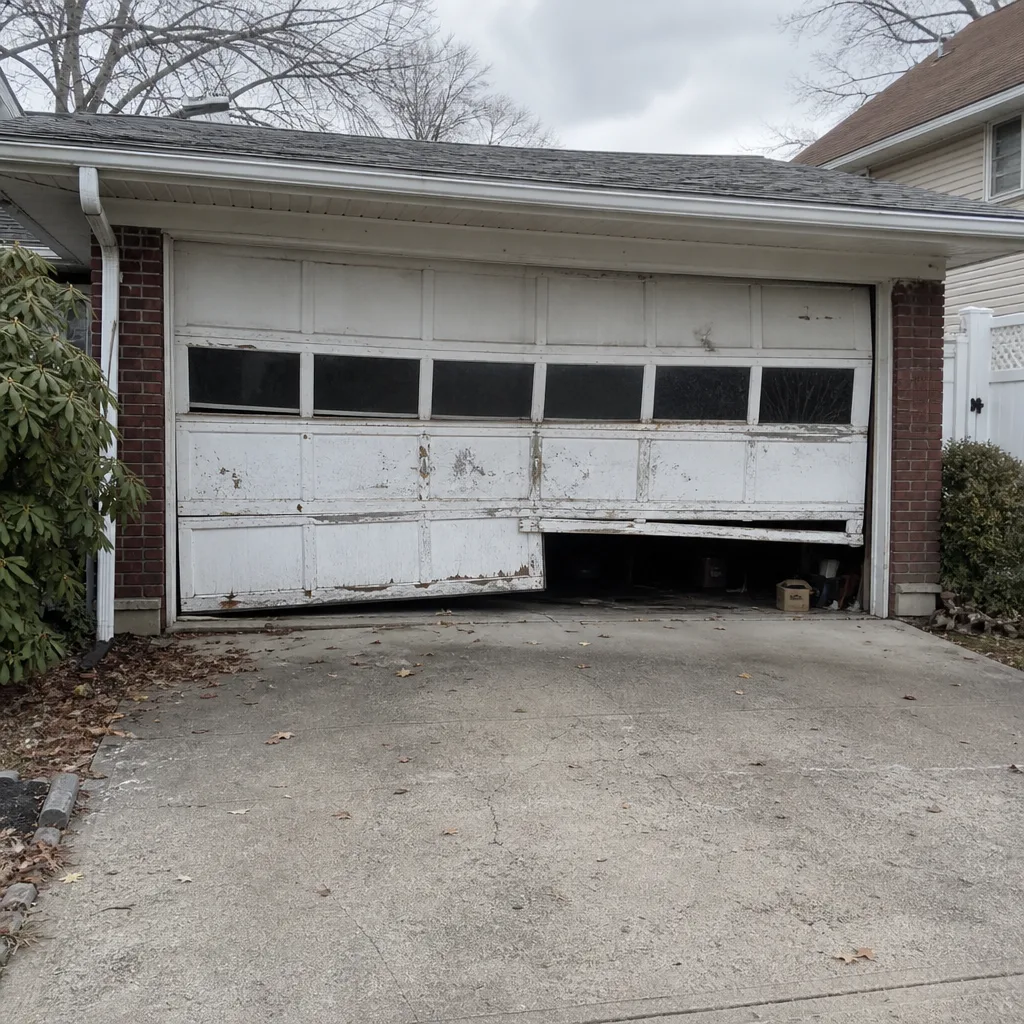 Before
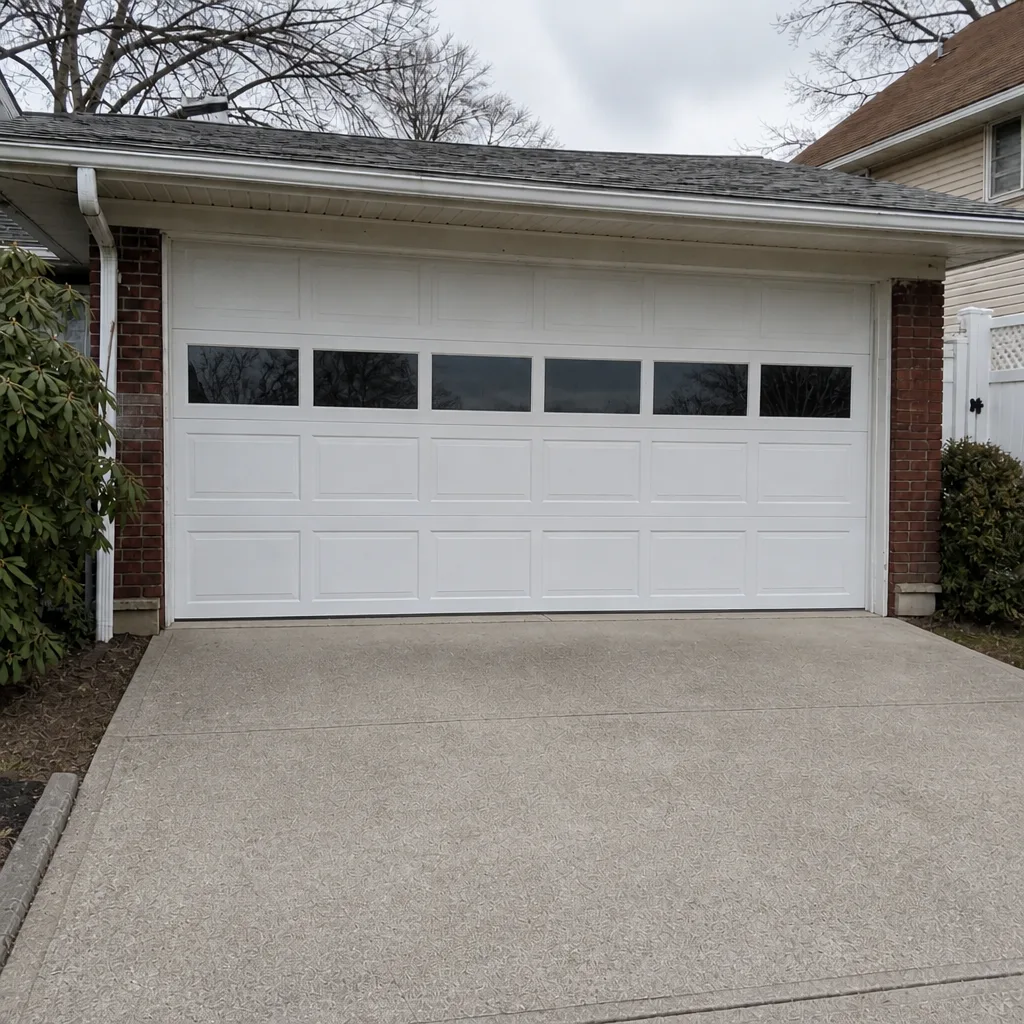 After
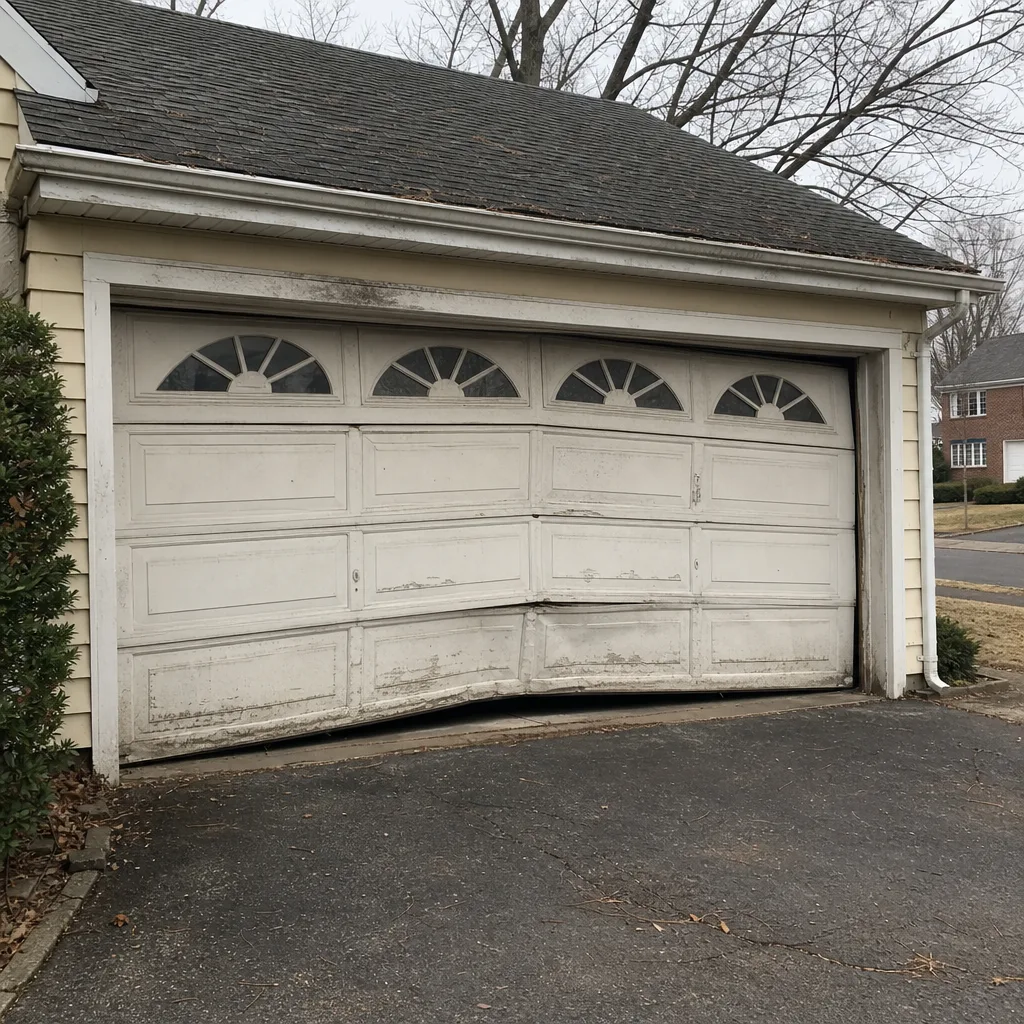 Before
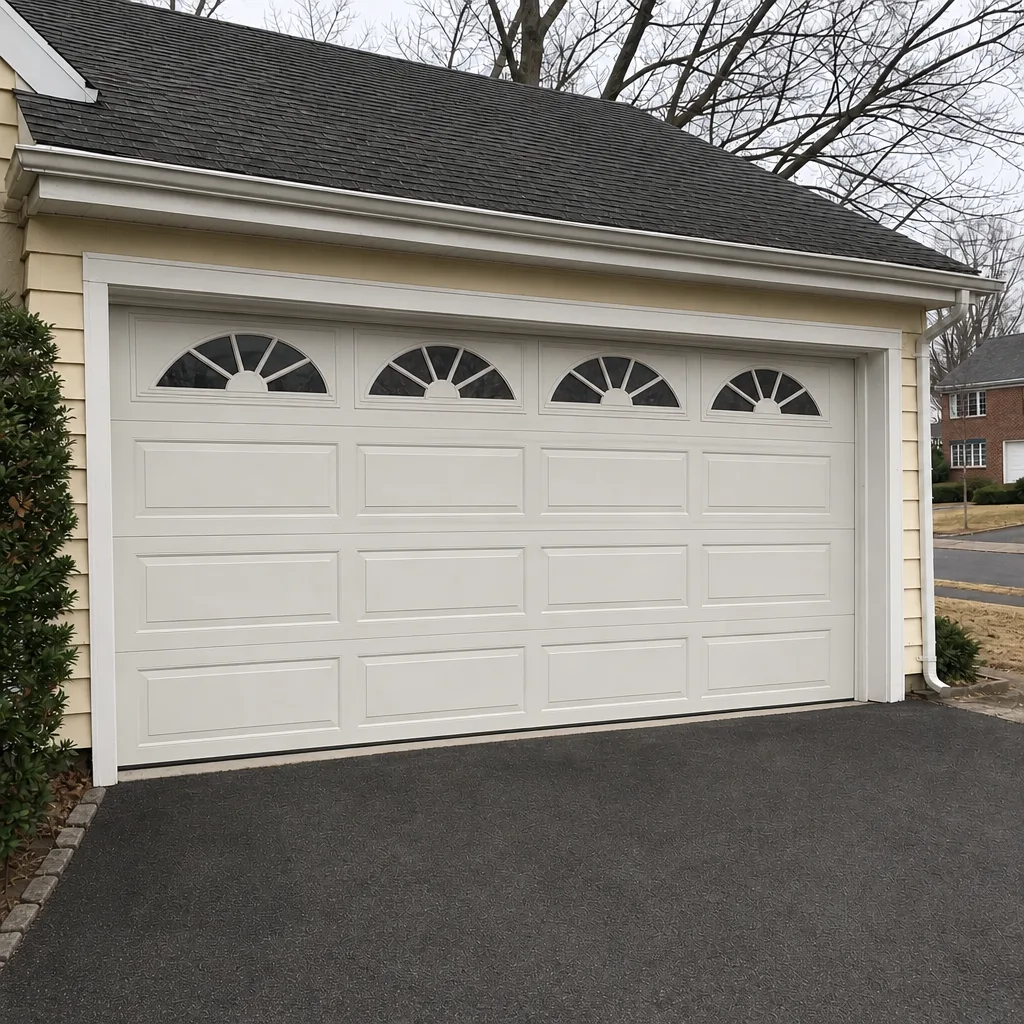 After
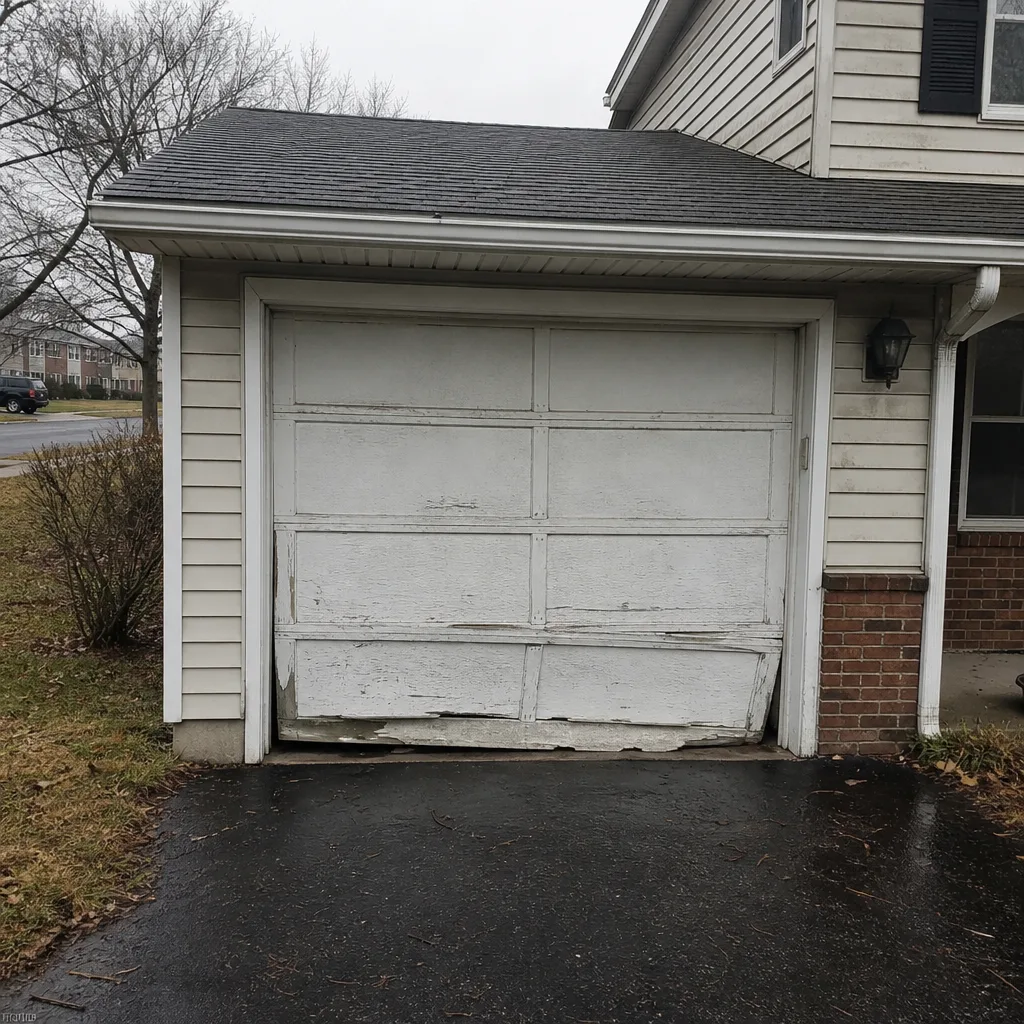 Before
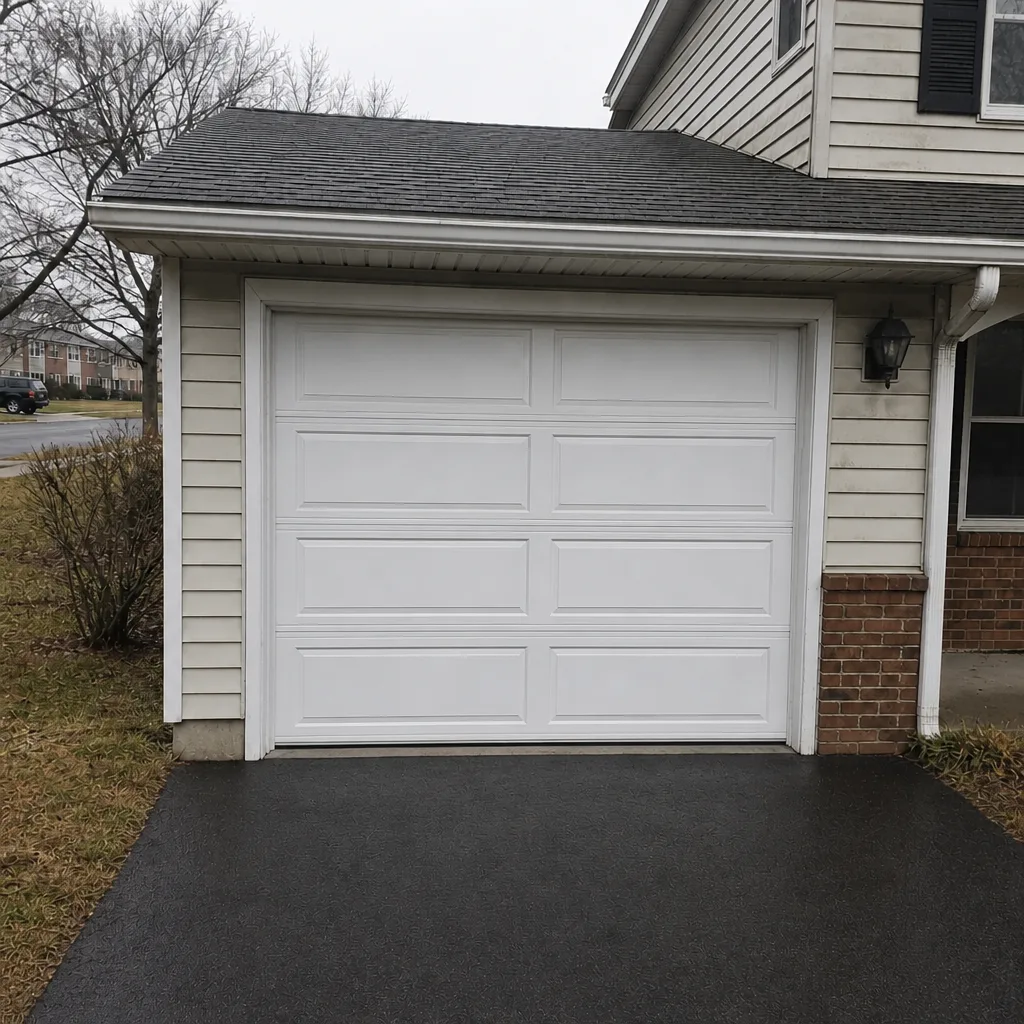 After
When to Call a Professional
Call a professional if a spring has snapped or is visibly broken, a cable is frayed or hanging loose, the door is off its track or hanging unevenly, the opener runs but the door doesn’t move, or the door won’t secure. If you’ve pulled the manual release and the door still won’t move, that’s a call too. Torsion and extension springs store enormous energy and should only be handled by trained technicians, never general handymen. For any of these, Wayne Garage Door Repair Co offers free estimates in Wayne. Our technicians have up to 12 years of experience with the major brands, and emergency garage door service is available for broken springs, failed openers, doors off track and doors that won’t secure. Call (833) 482-6691 and we’ll get you set up.
For day-to-day repairs and spring work, our dedicated garage door spring repair page walks through what a spring replacement involves and why the job is so different from a routine fix. And if you’re near a neighboring town, we also cover nearby areas from our Wayne Garage Door Repair Co home base, so a stuck door in the middle of Passaic County gets a fast, local response.
Frequently Asked Questions
Pull the manual release cord hanging from the opener’s trolley, then lift the door by hand using the handle. If the door lifts with steady effort, the springs are fine and you can move it manually. If it won’t lift or takes everything you’ve got, stop; that’s likely a spring problem, not a power problem, and you should call a technician.
First, keep family and vehicles clear and don’t force anything. If the springs are intact, try the manual release and lower the door by hand. If it won’t close because a panel is bent or the track is damaged, secure the opening as best you can and call for emergency service. Photograph any storm damage before you touch it, for your insurer.
No. Torsion and extension springs hold the full weight of the door and can cause serious injury if handled without training. Spring replacement is high-stakes work that our technicians handle safely. Call us at (833) 482-6691 for a free estimate instead.
During a storm or a widespread event, calls spike across Wayne and the surrounding area at the same time, and technicians get booked quickly. Customers who’ve already been in touch and have their door and opener details ready tend to get faster service. Preparing before an emergency is the simplest way to avoid a long wait.
Photograph the whole door and close-ups of the damage from several angles before you move or repair anything. Note the date and the time, then call your insurer to ask what they need. Don’t straighten a panel or force a track until the claim is documented, since repairs can muddy the record of what happened.
Not automatically. You need to re-engage the trolley by running the opener or pulling the cord again in the direction marked on the carriage. Once it’s reconnected, test the door with the opener once before you trust it. If it won’t re-engage, call a technician and we’ll take a look.
The Bottom Line
Garage door emergencies in Wayne come in three shapes, and the smartest thing you can do is tell them apart before they happen. A power outage is often something you can handle with a tested manual release and a lock. A storm is a document-first, repair-second situation. A mechanical failure, especially a broken spring or a door off its track, is a stop-and-call scenario. Test your release, learn your opener, keep the technician’s number handy, and you’ll turn a frightening moment into a manageable one. If the door is down and you can’t safely bring it back, call (833) 482-6691 for a free estimate and a fast, correct fix.
Written by the team at Wayne Garage Door Repair Co.