Last updated November 23, 2026
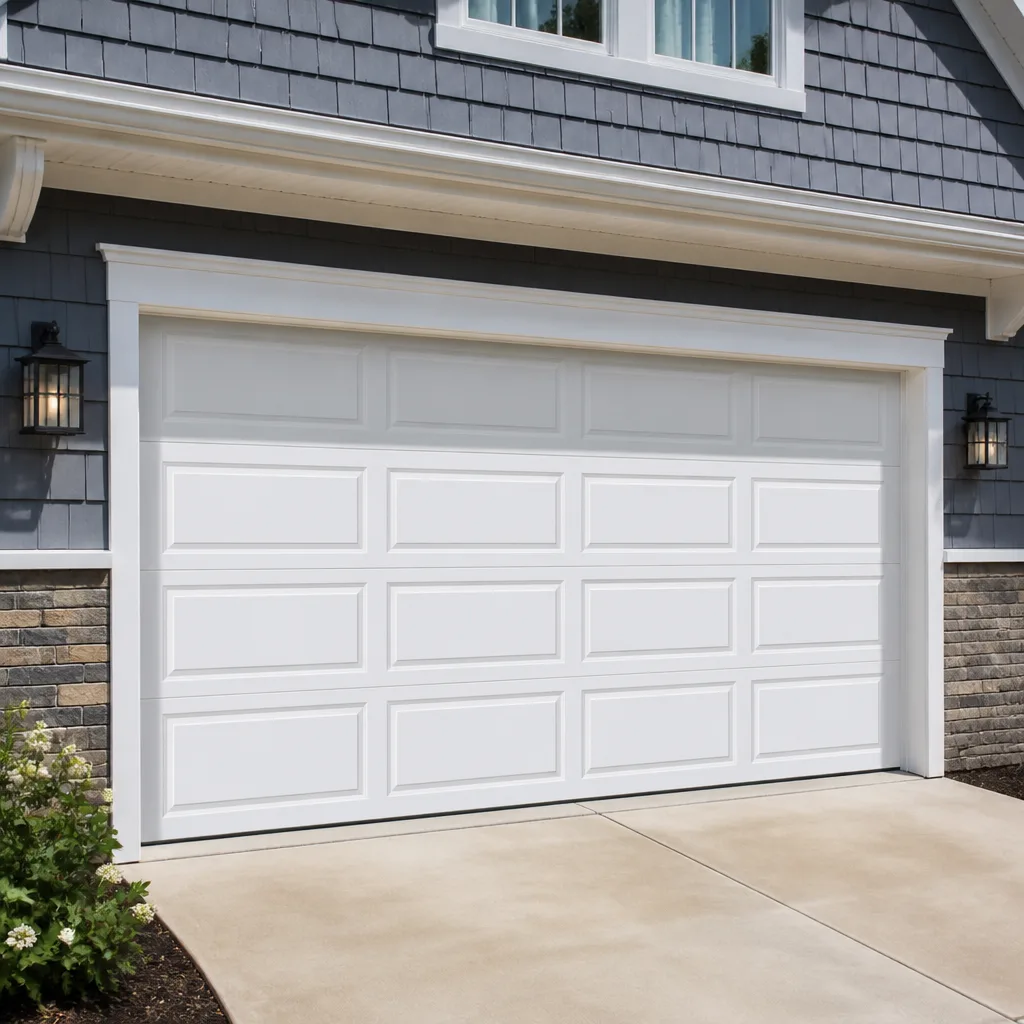 Raised-panel steel
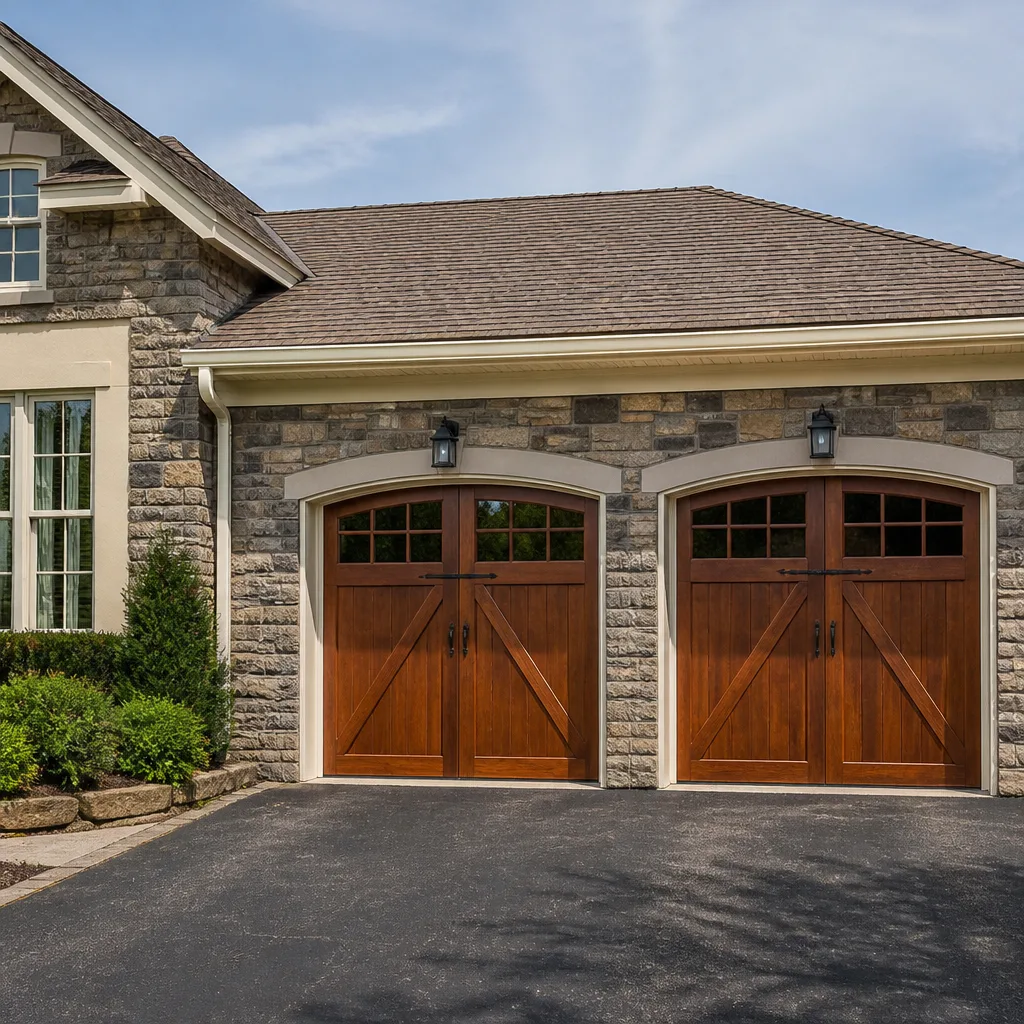 Carriage house
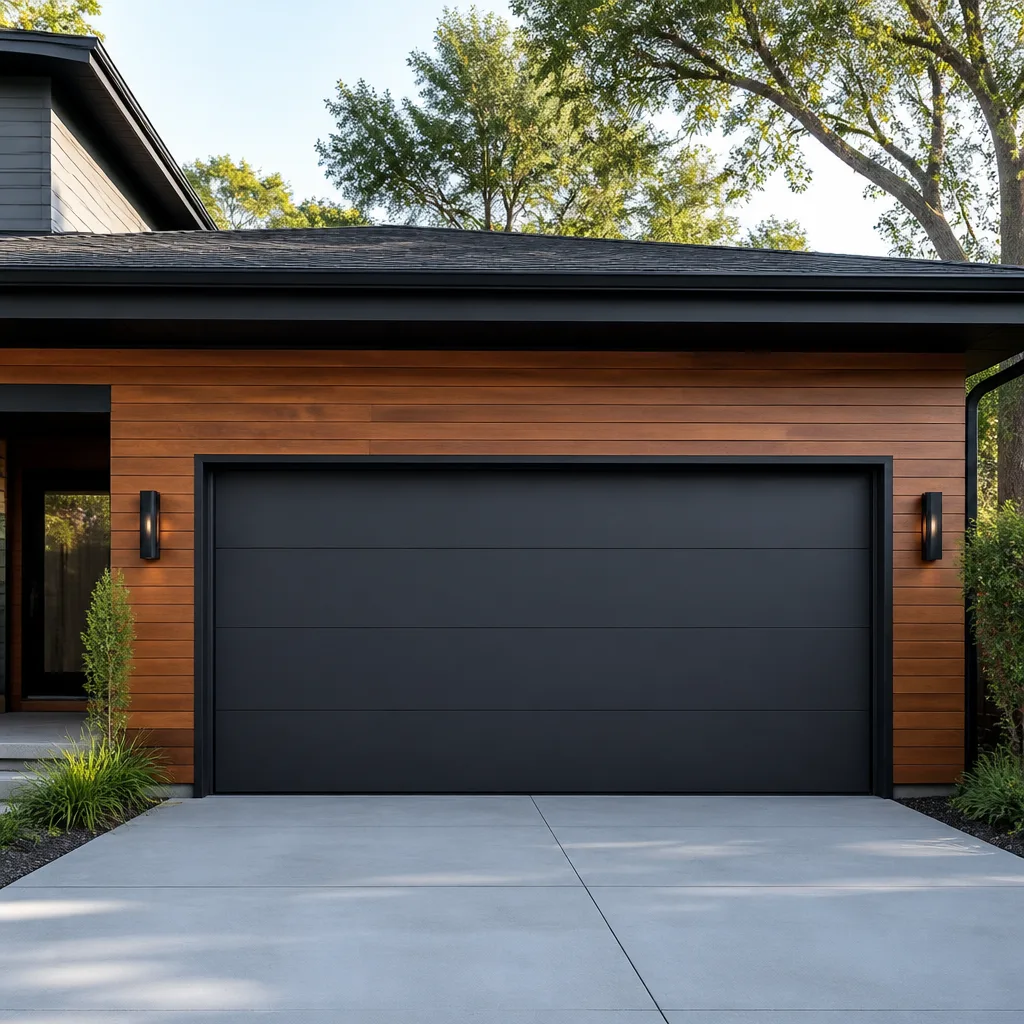 Modern flush
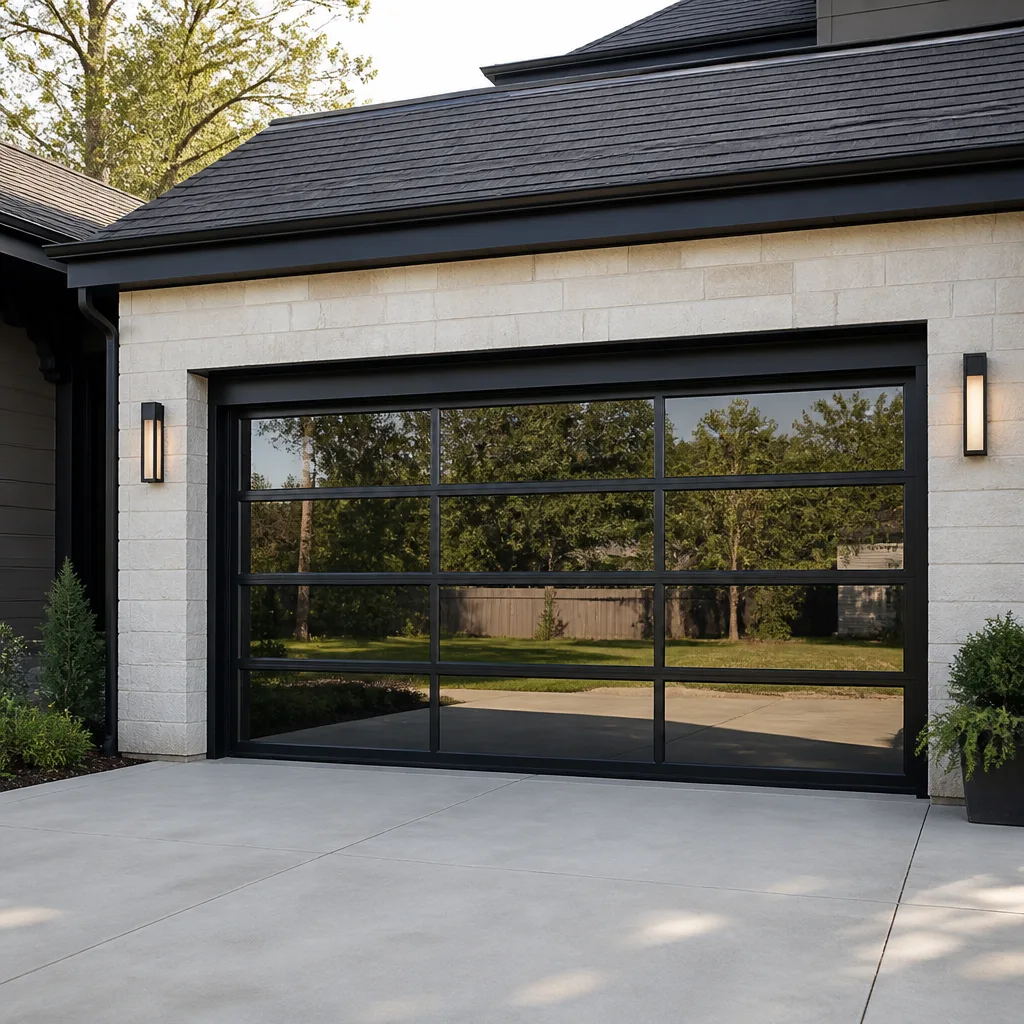 Full-view glass
 LiftMaster openers
 Chamberlain openers
Full 25-point door and opener safety check with every visit - springs, cables, rollers, tracks, and your LiftMaster or Chamberlain opener included
You get a price before we start. It does not change when the pro arrives.
Get your free estimateDIY vs Professional Garage Door: The Wayne Homeowner’s Decision Guide
Search for “garage door spring replacement” and you’ll find thousands of videos, most of them filmed by someone who made it look easy. That’s the trap. A torsion spring under load holds enough stored energy to break a bone or worse in the time it takes to blink, and a tutorial on a screen can’t teach your hands what a trained technician learns over years. This guide isn’t another cost comparison. It’s a decision framework built around risk, skill, and warranty, so you can tell which repairs are genuinely reasonable to handle yourself and which ones should never be a weekend project. We’ll walk through it component by component, with the local picture for Wayne homeowners.
Quick Answer
Most garage door work splits cleanly into two groups: adjustments and light maintenance you can safely do yourself, and anything involving springs, cables, or the door’s balance and travel, which belongs with a trained professional. If a repair requires releasing tension from a spring, rewinding a drum, or repositioning cables under load, the risk to your body and your door’s warranty is not worth the savings. For everything else, a few careful checks will save you money and help a technician diagnose faster. When in doubt, call Wayne Garage Door Repair Co at (833) 482-6691 for a free estimate.
Styles & brands we work with
- Raised-panel steel
- Carriage house
- Modern flush
- Full-view glass
- LiftMaster openers
- Chamberlain openers
Table of Contents
- The Component Map: What’s DIY-Safe and What Isn’t
- The Danger Zone: Why Springs and Cables Are Different
- Tools Most Homeowners Don’t Own (and Why That Matters)
- How DIY Repairs Affect Your Door and Opener Warranty
- The Real Cost Math: When DIY Saves and When It Costs More
- Liability in New Jersey: What a DIY Repair Could Mean
- What to Do Before the Technician Arrives
- Brand Matters: Why a Multi-Brand Technician Saves You Time
The Component Map: What’s DIY-Safe and What Isn’t
Garage doors are systems, not single parts. The panels, hinges, rollers, tracks, springs, cables, and opener all interact, and the safety of one depends on the others. When we talk with Wayne homeowners about doing a repair themselves, we break the door into three tiers. Knowing which tier a problem falls into is the first and most important decision you’ll make.
Tier 1: Reasonable to Handle Yourself
- Wiping down and lubricating hinges, rollers, and the torsion bar with a garage-door lubricant (not WD-40, which attracts dirt)
- Tightening the bolts on hinges and brackets that have worked loose over time
- Testing and replacing the batteries in your remote or wall keypad
- Clearing debris from the photo-eye sensors at the base of the tracks
- Re-engaging the manual release on your opener after a power outage
- Adjusting the opener’s travel limits and force settings, if your manual explains how
Tier 2: Depends on Your Comfort and the Specific Door
- Replacing a single bottom seal or weatherstrip (simple on most doors, awkward on wide or heavy panels)
- Swapping out a roller that’s visibly worn (safe only when the door is fully closed and the spring is not released)
- Straightening a slightly bent track (worth trying only if the bend is minor; a misaligned track can drop the door)
Tier 3: Never DIY
- Any torsion or extension spring replacement
- Cable replacement or adjustment; cables are under the same tension as springs
- Rewinding or releasing a torsion drum
- Replacing the bottom bracket, which anchors the cable and the spring load
- Any work on a door that has come off track or is hanging unevenly
Tier 3 is where our garage door spring repair work lives, and it’s the category that sends most homeowners to us. If you’re unsure which tier a problem is in, that uncertainty itself is your answer: get a professional to look at it.
The Danger Zone: Why Springs and Cables Are Different
Torsion springs store tremendous energy. When a technician winds one, they’re loading a coil that will hold that energy for years. When it fails, it releases that energy in a fraction of a second, often with a sharp snap that can send metal fragments flying. Extension springs, common on older doors, can whip and strike whatever is nearby when they break. This is why spring work is not a “harder DIY project.” It’s a different category of risk entirely, and no amount of confidence or video-watching changes the physics.
We routinely see the aftermath of attempted spring replacements in Wayne. The failure modes are predictable: a homeowner who releases the wrong set screw and loses control of the winding bar, a door that crashes down because the tension wasn’t matched to the door’s weight, or a torsion bar that bends because the spring was wound unevenly. Each of those turns a modest repair into a much bigger job. Our technicians have up to 12 years of experience, and the reason that experience matters is that the work demands a physical feel that no tutorial can transfer.
Cables have the same problem. They’re tensioned against the spring system, and a cable that slips while you’re working on it can slice a hand or drop the door. The same goes for bottom brackets. If a technician is coming out anyway, have them check these components while they’re on site. It’s far cheaper than dealing with the fallout of a failed DIY attempt.
Our safety position is simple: if a repair requires releasing spring tension, leave it to a trained professional. Call Wayne Garage Door Repair Co at (833) 482-6691 and we’ll handle it safely.
Tools Most Homeowners Don’t Own (and Why That Matters)
One of the most reliable signals that a job is out of DIY territory is the tool list. If you’d have to buy tools to do it, that’s a strong hint the work wasn’t designed for homeowners. Spring and cable replacement needs a specific set of tools that most people will never use again, and buying them is usually more expensive than the repair itself.
What the job actually requires
- Winding bars – two solid steel rods, sized to the spring’s winding cone, that let you safely release tension. A screwdriver or a piece of rebar is not a substitute.
- A calibrated torque wrench – for tensioning and for checking bracket bolts to the door’s specified values.
- A door-weight scale or balance test kit – so the new spring matches the door’s actual weight. A mismatched spring is a common cause of premature failure.
- Proper safety glasses and heavy leather gloves – non-negotiable for any work near tensioned hardware.
- A helper – torsion springs on a double-car door are physically awkward to handle alone, and working solo is where most DIY injuries happen.
The tools are not exotic, but they’re specialized. The winding bars alone are the difference between a controlled release and a snapped spring. And even with the right tools, matching spring size to door weight, setting the drum tension evenly on both sides, and confirming the door is balanced before you reconnect the opener takes skill that comes from doing it many times. Our technicians handle this daily across every major brand, including Wayne Dalton doors and LiftMaster openers, and they know what a correctly tensioned spring feels like before anything moves.
How DIY Repairs Affect Your Door and Opener Warranty
Manufacturer warranties on garage doors and openers are specific about who’s allowed to do the work. In practice, most of them limit coverage to installation and service by a trained or authorized professional, and they may exclude failures caused by improper installation, adjustment, or repair. That language is there for a reason: a spring wound to the wrong tension or a track bent back into place can quietly damage nearby components that then fail months later, and the warranty claim gets denied because the cause was an unqualified repair.
What the policies typically look like
- Doors (Clopay, Amarr, Wayne Dalton, and similar): finish and hardware warranties usually require proper installation and correct spring and track setup. A door that’s been re-tensioned by hand may lose coverage on hinges, rollers, and the spring system itself.
- Openers (LiftMaster, Chamberlain, Genie, Craftsman, Raynor): warranty terms typically require professional installation and may void coverage if the opener was installed or adjusted outside the manufacturer’s instructions. A door that’s out of balance can burn out an opener motor and the manufacturer may not cover it.
- Smart-home features: app-connected systems like myQ and Aladdin Connect often have their own firmware and warranty terms, and both depend on correct alignment and travel settings to work reliably.
None of that means you can’t do basic maintenance. Lubrication and visual checks are exactly what the manufacturer expects you to do. What it means is that the borderline calls, the ones that touch springs, cables, or adjustments to the opener’s force and travel, are the ones where a DIY fix can cross into territory the warranty doesn’t cover. We work on all eight of the major brands every day and can tell you what your specific system needs before a small fix creates a bigger problem.
The Real Cost Math: When DIY Saves and When It Costs More
The honest cost math isn’t “DIY equals free.” It’s a comparison of your time, the tools you’d need to buy, the risk of damage, and the chance the job has to be redone. Set against that, a professional repair quoted up front and agreed before any work starts is often the cheaper option, even when the ticket looks bigger on paper. Here’s how the math breaks down in practice.
When DIY genuinely saves money
- Replacing a remote battery or wall keypad (a few dollars)
- Cleaning and lubricating hinges and rollers (a can of proper lubricant)
- Clearing debris from photo-eye sensors (free)
- Straightening a slightly bent track with basic hand tools (free if the fix works)
When DIY looks cheap but isn’t
- Spring replacement: winding bars, a helper, and the risk of a dropped door add up quickly. If the door lands wrong, the repair can involve panels, tracks, and opener damage far beyond the original spring.
- Cable work: cables are cheap. The consequences of a slipped cable are not.
- Opener adjustments: a mis-set force limit can burn out the motor. The opener costs far more than the adjustment.
- Track repair: a track you’ve bent back into shape may be misaligned just enough to wear out rollers and the door’s seal.
What a professional estimate looks like
For Wayne homeowners, quotes on the common repairs usually come in the predictable range, and the price is set before any work begins. If your door needs garage door repair that goes beyond a spring, we’ll inspect the whole door and tell you what’s actually required. No surprises. The written estimate is what you pay.
Liability in New Jersey: What a DIY Repair Could Mean
If a garage door you repaired later fails and damages property or injures someone, the consequences can go well beyond the cost of the repair itself. This is the piece most DIY guides skip. In New Jersey, a homeowner who has done unpermitted or incorrect work on a garage door can face liability questions from a homeowner’s insurance claim, a dispute with a neighbor whose property was damaged, or a purchaser’s inspection when the house is sold. None of this is meant to scare you into calling a professional. It’s meant to name a risk most people don’t think about until something goes wrong.
The most common scenarios we’d flag for a Wayne homeowner:
- A door that falls or binds and damages a car parked in the driveway, and the homeowner’s insurer questions whether the work was done correctly.
- A spring or cable failure that injures a family member or a guest, where the repair history becomes part of the conversation.
- A home inspection that flags unpermitted or unprofessional work, delaying a sale or requiring a fix on the buyer’s terms.
- A door that becomes a neighborhood hazard because it can’t close fully or won’t stay up.
Residential garage door work doesn’t typically require a permit in Wayne, but you should check with the town’s building department for any specific rules that apply to your property and your door’s configuration. Beyond code, the sensible practice is to use a licensed, insured professional for safety-critical work, so the responsibility sits where it belongs.
What to Do Before the Technician Arrives
Whether you’ve decided to call or you’re still deciding, there’s a short list of things you can do that will make the appointment faster and often cheaper. Diagnostics take time, and anything you can tell us before we arrive shortens that. Here’s the pre-appointment checklist we give Wayne homeowners.
- Write down exactly what happens and when. Does the door stick at a certain height? Does the opener hum but not move the door? Does it reverse before closing? Specific behavior narrows the diagnosis fast.
- Check the power and the remote. A dead remote battery or a tripped breaker on the opener circuit is a common culprit and easy to rule out.
- Test the manual release. Pull the red handle and try lifting the door by hand. If it’s heavy or won’t stay open at half height, the spring is likely the issue.
- Clear the area in front of and below the door so we can inspect both sides and the ceiling of the opener safely.
- Note the make and model of your door and opener if you can find a label. That’s especially useful for older Craftsman or Raynor hardware, where parts can be harder to source.
- Take a photo of the label on the spring if you can see it safely, without touching it. That helps us bring the correct spring size on the first visit.
- Don’t force anything. If opening the door requires unusual effort, stop. Forcing a door that’s in trouble is how a repair becomes a replacement.
All of that takes a few minutes and saves real diagnostic time. The general rule: observe, don’t adjust. Any adjustment that touches spring tension, cables, or travel limits is a technician’s job, even when it looks simple.
Brand Matters: Why a Multi-Brand Technician Saves You Time
Garage door systems from different manufacturers aren’t interchangeable. A Wayne Dalton door behaves differently from a Clopay, a LiftMaster opener from a Genie, and the springs and tracks aren’t universal. That’s why the “call whoever answers” approach often ends with a second visit. A generalist arrives, diagnoses, and has to return with the right part. A technician who works across the major platforms diagnoses faster and gets the fix right the first time.
Wayne Garage Door Repair Co is factory-familiar with eight major brands: LiftMaster, Chamberlain, Genie, Clopay, Amarr, Wayne Dalton, Craftsman, and Raynor. We work on their systems every day, from the myQ and Aladdin Connect smart-home lines down to legacy hardware on older doors. That matters most in an emergency. If your opener fails or a spring breaks, a technician who already knows your system isn’t spending the visit guessing. Our garage door opener repair work spans the app-controlled and older systems across all of those brands, and for a new door or a full replacement we help you pick a system that fits the house and the way you actually use it.
If you’re still in the deciding stage, this is a good time to know what’s covered. Wayne Garage Door Repair Co offers the full range of services: Wayne Garage Door Repair Co, garage door repair, garage door opener repair, garage door spring repair, and emergency service for urgent failures. Whether the job is a spring, an opener, an off-track door, or a full replacement, one company covers it.
Common Mistakes to Avoid
- Trying spring work yourself. The most common mistake we hear about, and the most dangerous. Stored energy in a torsion spring can cause serious injury before you react, so leave it to a professional.
- Lubricating with the wrong product. WD-40 attracts dust and grit to the tracks and rollers. Use a lubricant made for garage doors.
- Adjusting the opener’s force or travel limits to compensate for a door problem. That masks the real issue (often a spring) and can shorten the opener’s life.
- Forcing a door that won’t open. A stuck door usually means a balance or track problem. Forcing it tends to cause panel and roller damage.
- Ignoring the make and model. Your door and opener labels tell the technician exactly which parts to bring. Without them, the first visit is often diagnostic.
- Skipping the manual release check. If you can’t open the door by hand with the release engaged, the opener isn’t the problem and a technician should look at the springs.
- Calling a general handyman for safety-critical work. Spring, cable, and off-track repairs call for a garage-door technician who knows the system and works safely under tension.
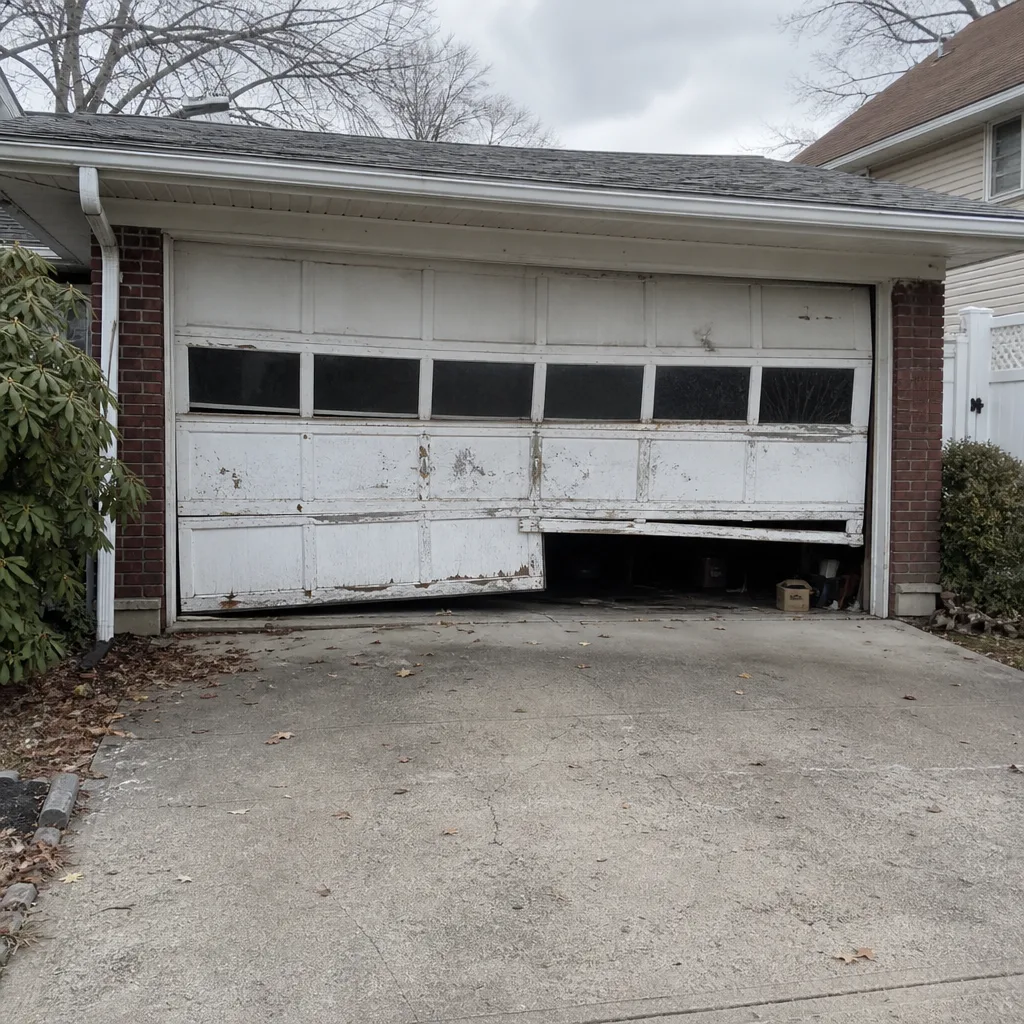
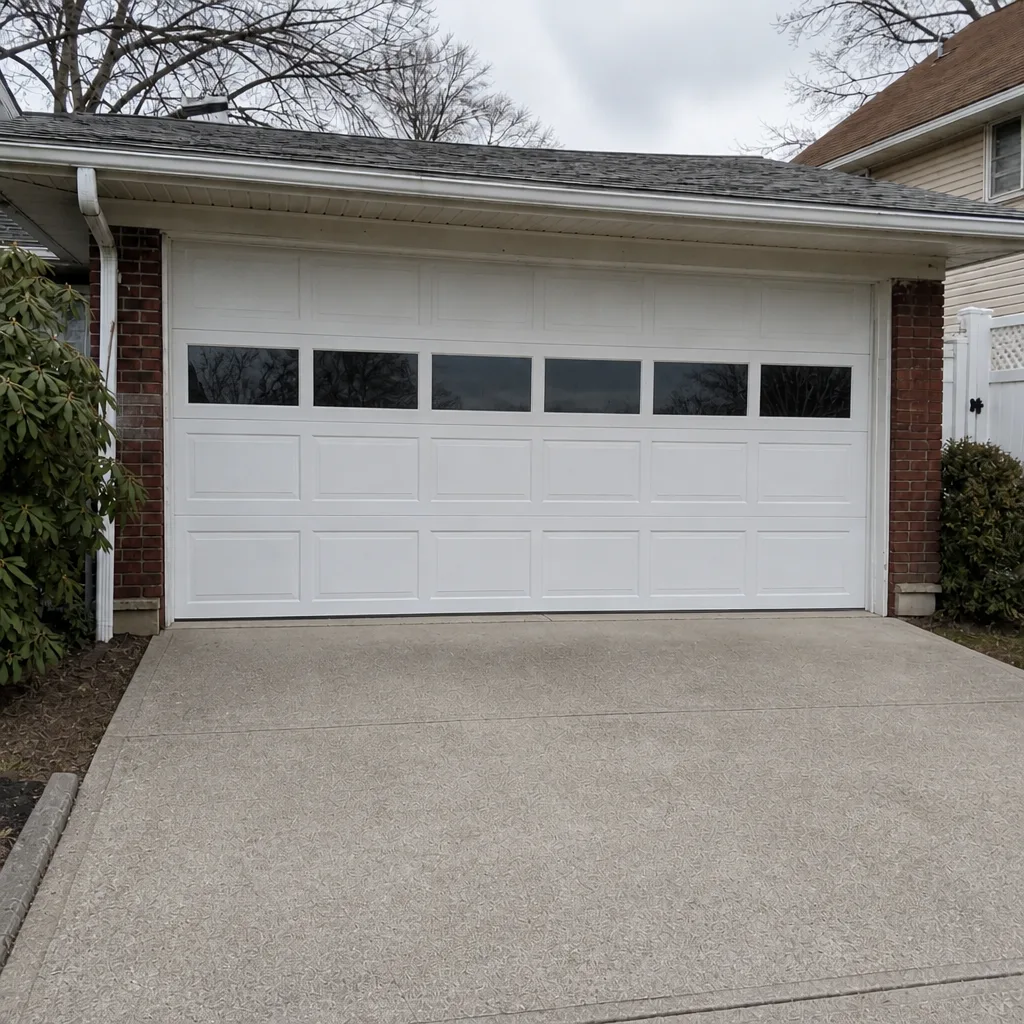
See the difference
 Before
 After
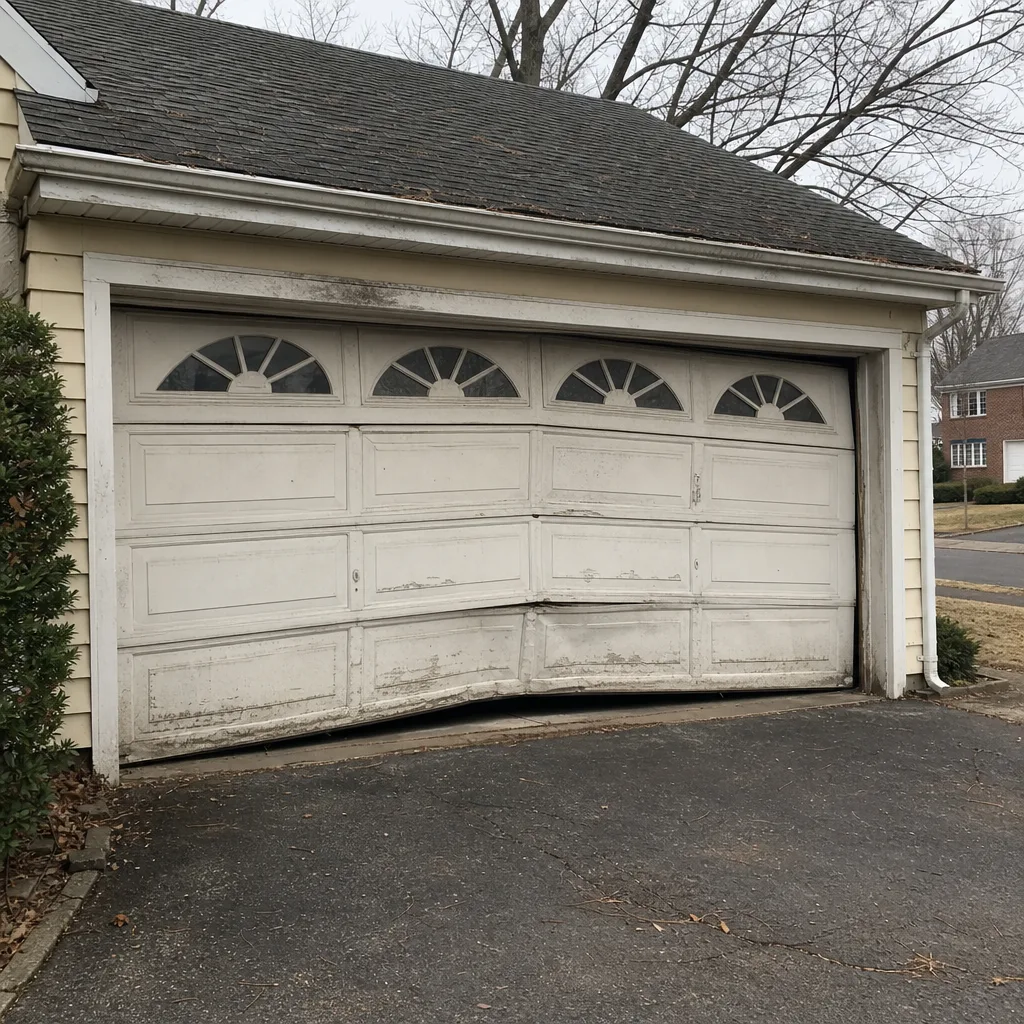 Before
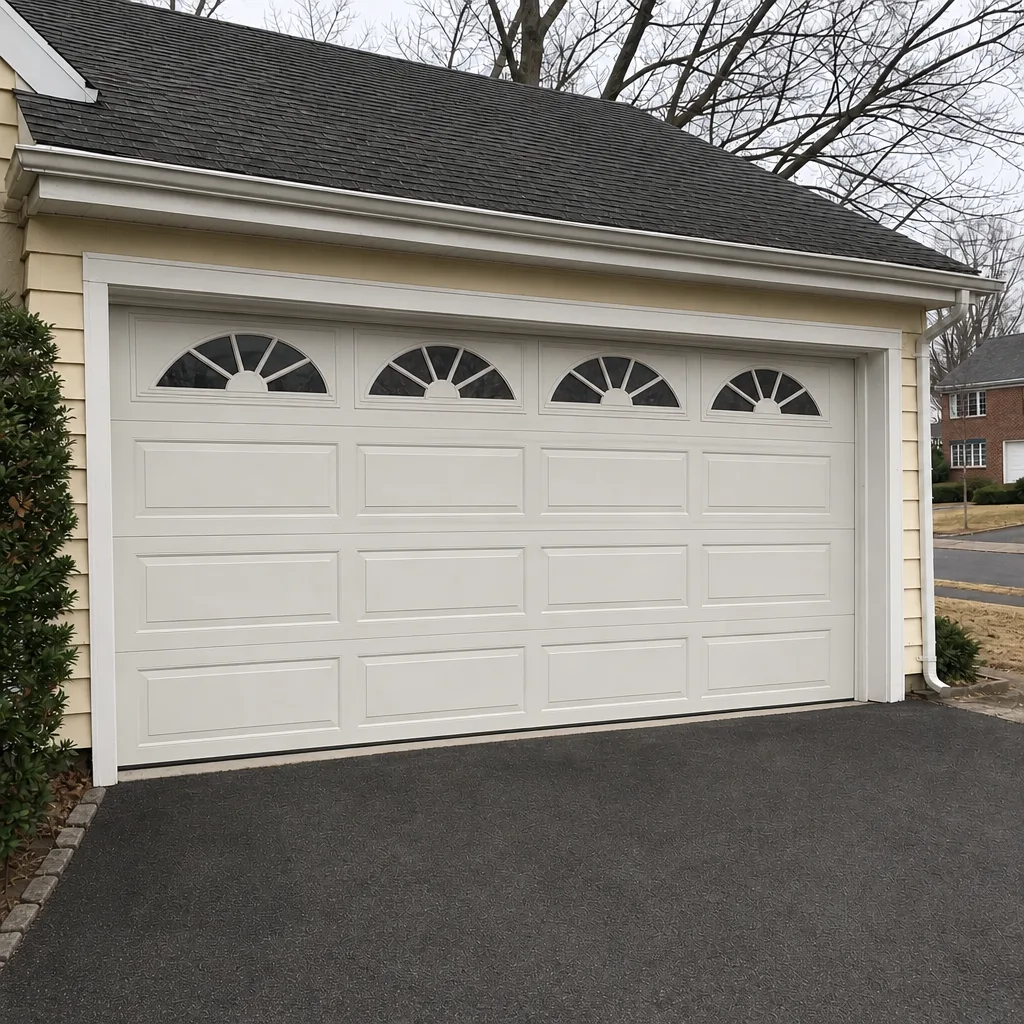 After
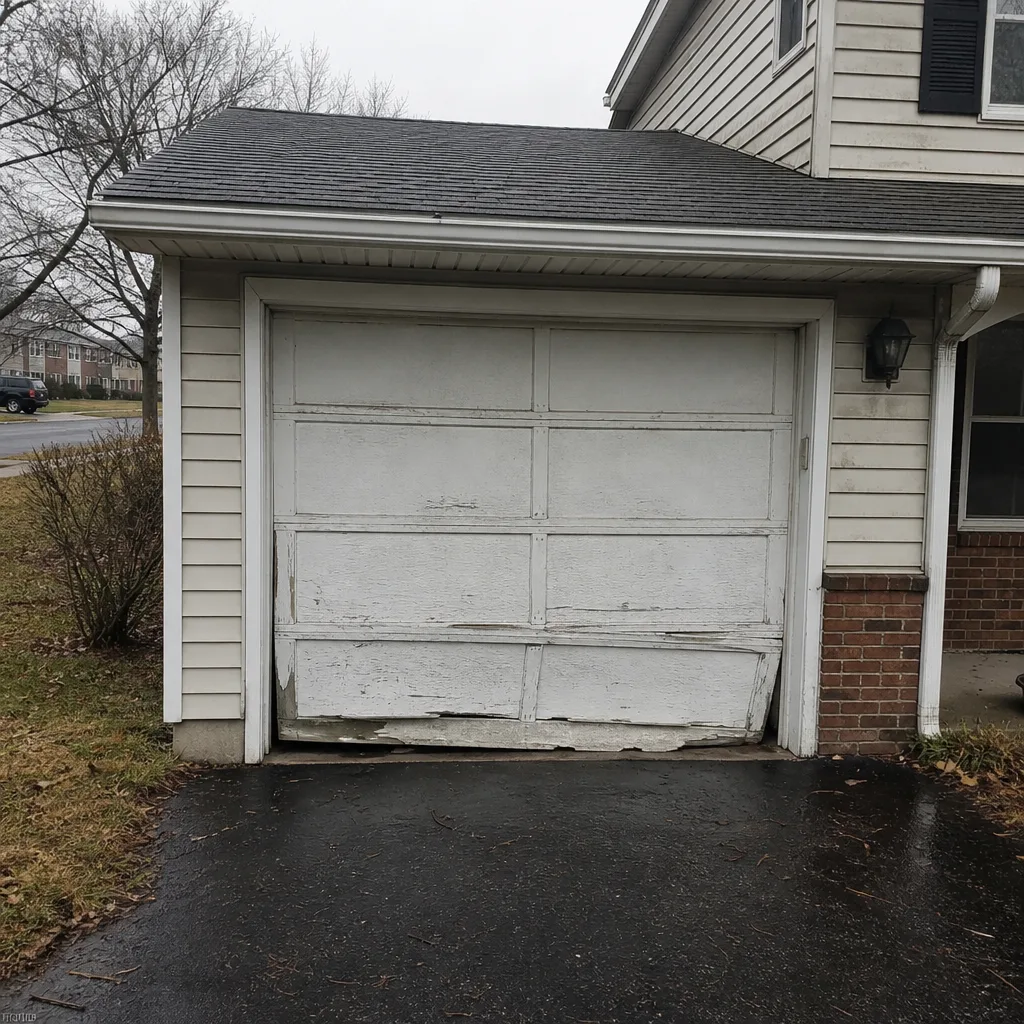 Before
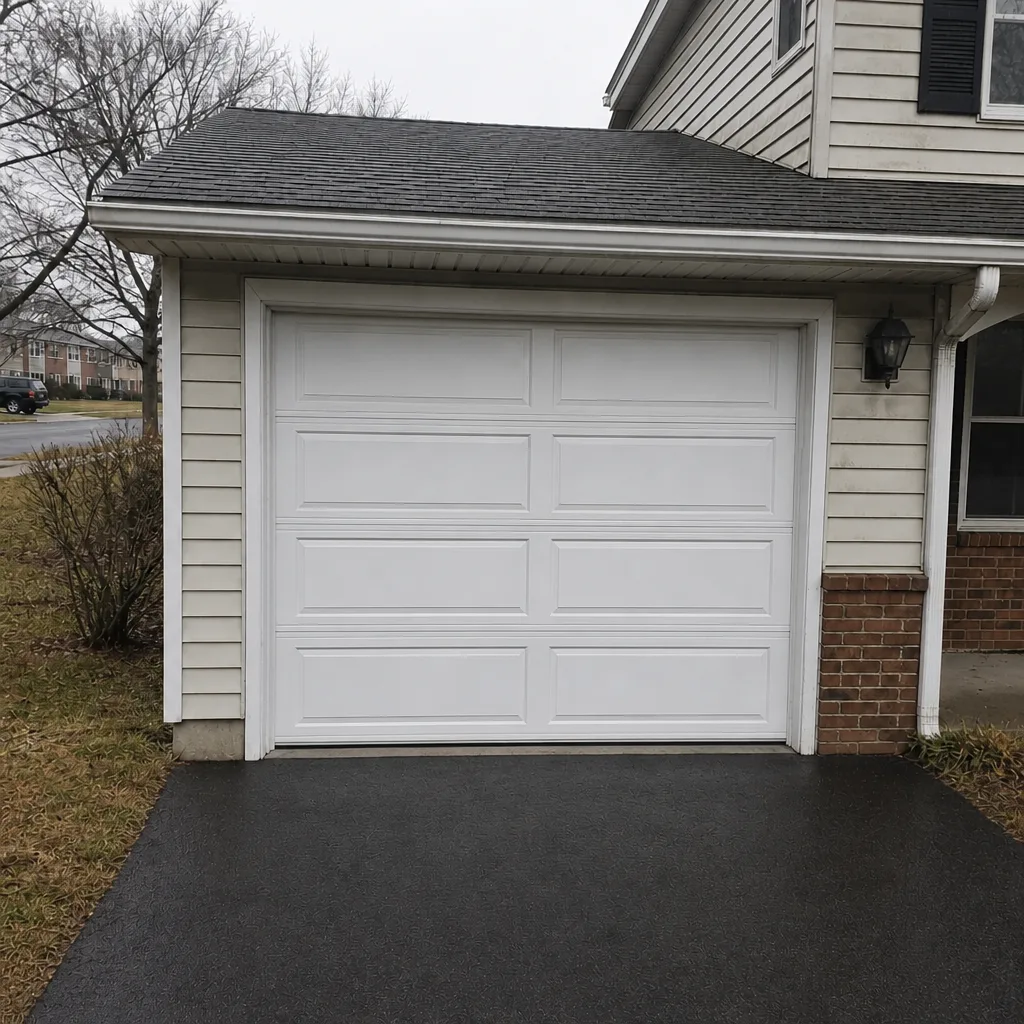 After
When to Call a Professional
Call a professional when the problem touches spring tension, cables, the bottom bracket, or a door that’s off track or hanging unevenly. Call when the door feels heavy or won’t stay open after you use the manual release. Call when the opener runs but the door doesn’t move, or when a loud pop or snap comes from the door. Call when you’re not sure whether a repair is in your skill range, because uncertainty is a reason to get a trained opinion, not a reason to guess. For anything in those categories, a professional is the right call.
Wayne Garage Door Repair Co offers free estimates in Wayne. Call (833) 482-6691 for a free estimate, and we’ll tell you what’s actually needed before any work starts. For urgent failures, we offer emergency service, no guesswork.
Frequently Asked Questions
The safe answer is: don’t. A torsion or extension spring under tension holds enough stored energy to cause serious injury in a fraction of a second, and the correct tools (two winding bars and a helper) aren’t what most homeowners have on hand. Mismatched tension or an uneven wind can also damage the door. This is a job for a trained technician.
Lubricating hinges and rollers, tightening loose bolts, replacing remote and keypad batteries, and clearing the photo-eye sensors are all reasonable DIY work. Changing a single bottom seal or a worn roller is doable if you’re comfortable with hand tools. Anything involving springs, cables, or opener force and travel limits belongs with a professional.
It can. Manufacturer warranties on doors and openers typically require professional installation and service, and they often exclude failures caused by improper adjustment or repair. A doorway that’s been re-tensioned incorrectly can lose coverage on nearby components too. Check your warranty terms and ask a trained technician before you adjust anything.
We quote every job after inspecting the door, and the written estimate is what you pay before any work starts. Call (833) 482-6691 for a free estimate and we’ll walk through the price line by line.
We offer emergency service for urgent failures, including broken springs, failed openers, off-track doors, and doors that won’t secure. Call (833) 482-6691 and we’ll discuss timing on a service call for your door.
We work on eight of the most-installed brands, including LiftMaster, Chamberlain, Genie, Clopay, Amarr, Wayne Dalton, Craftsman, and Raynor. That covers most doors and openers in Wayne. If you’re not sure of your model, a quick call or a photo of the label will help us confirm before we arrive.
The Bottom Line
DIY garage door work is a decision about risk, not just cost. The component map gives you a reliable way to sort repairs: adjustments and light maintenance you can handle safely, and spring, cable, and off-track work that belongs with a trained professional. Add the warranty rules and the liability picture, and the case for professional help on safety-critical repairs becomes clearer. For the simple jobs, a few careful checks make the appointment faster and cheaper. When the job is bigger, that’s what we’re here for. Wayne Garage Door Repair Co covers spring repair, opener repair, full installation, and emergency service on every major brand.
Call (833) 482-6691 for a free estimate in Wayne, and get a straight answer before any work begins.
Written by the team at Wayne Garage Door Repair Co.