Last updated November 23, 2026
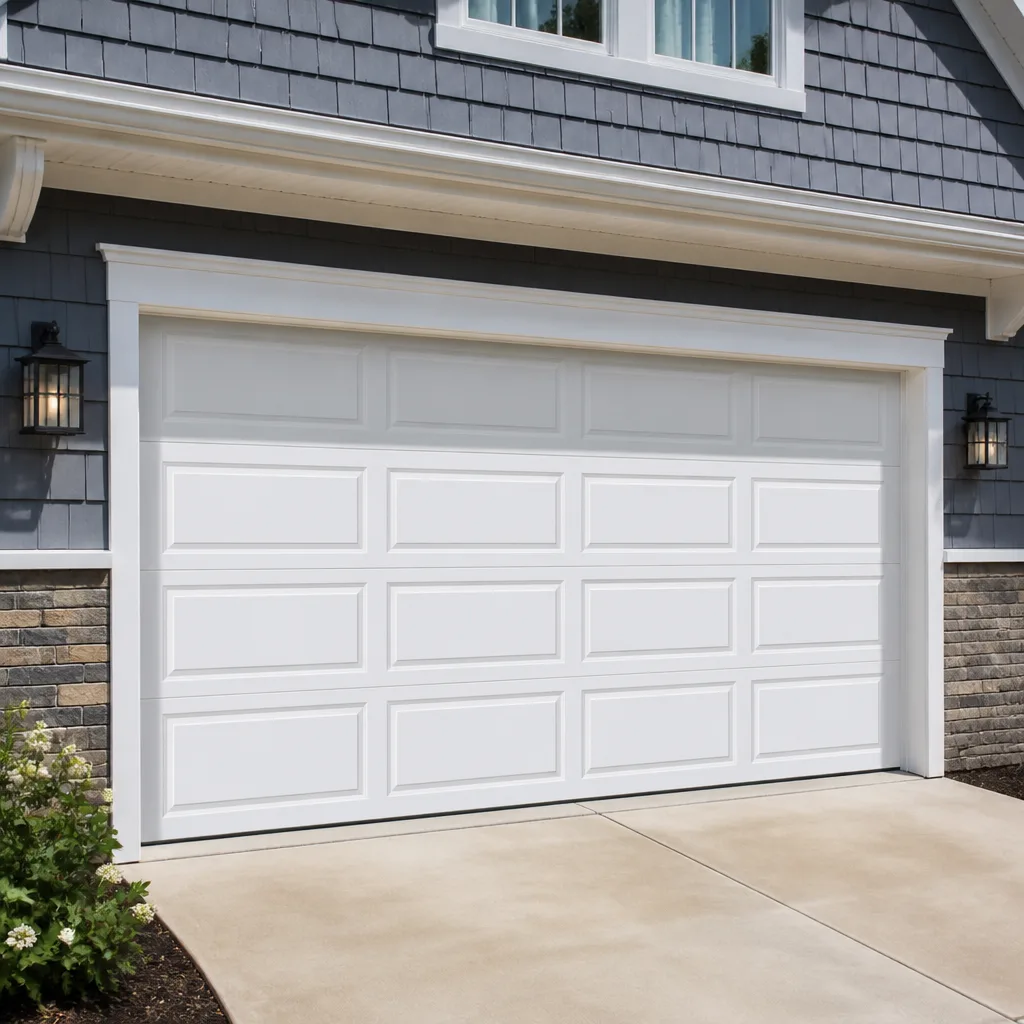 Raised-panel steel
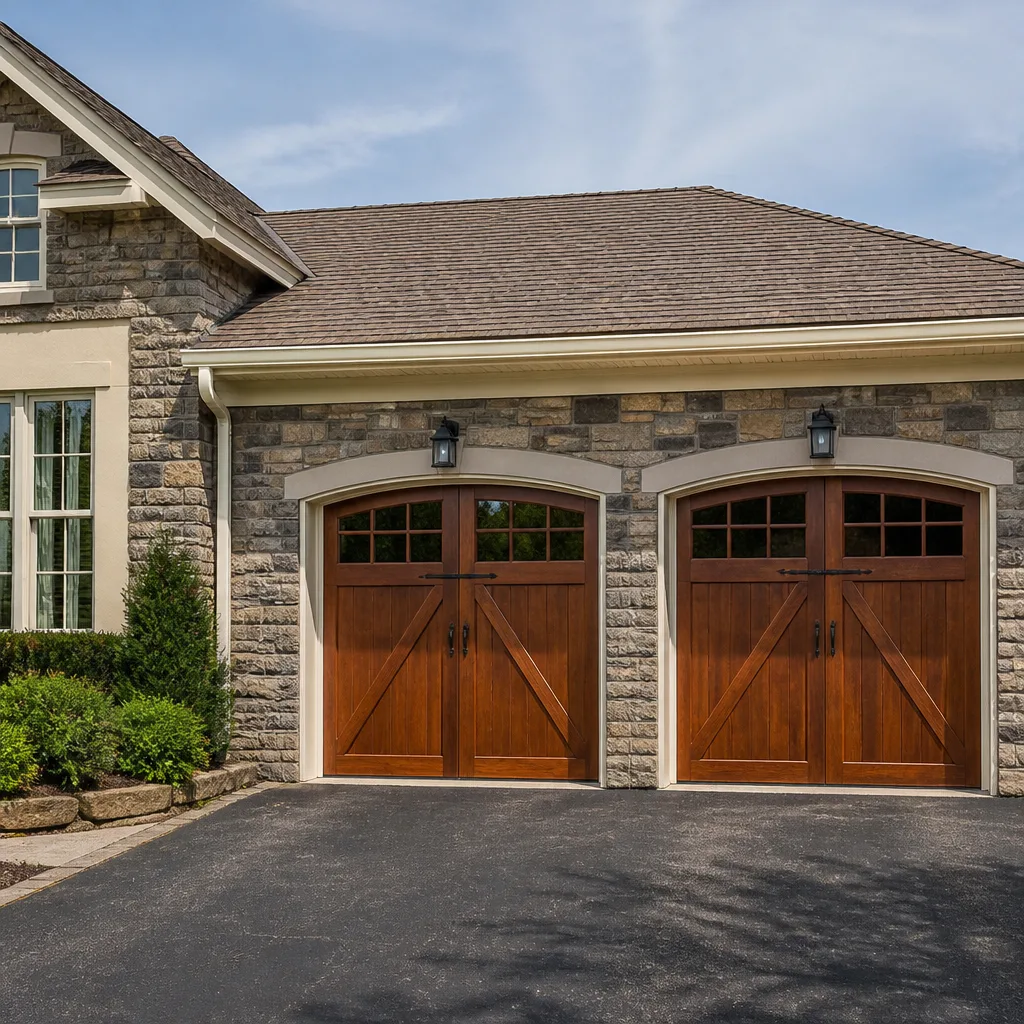 Carriage house
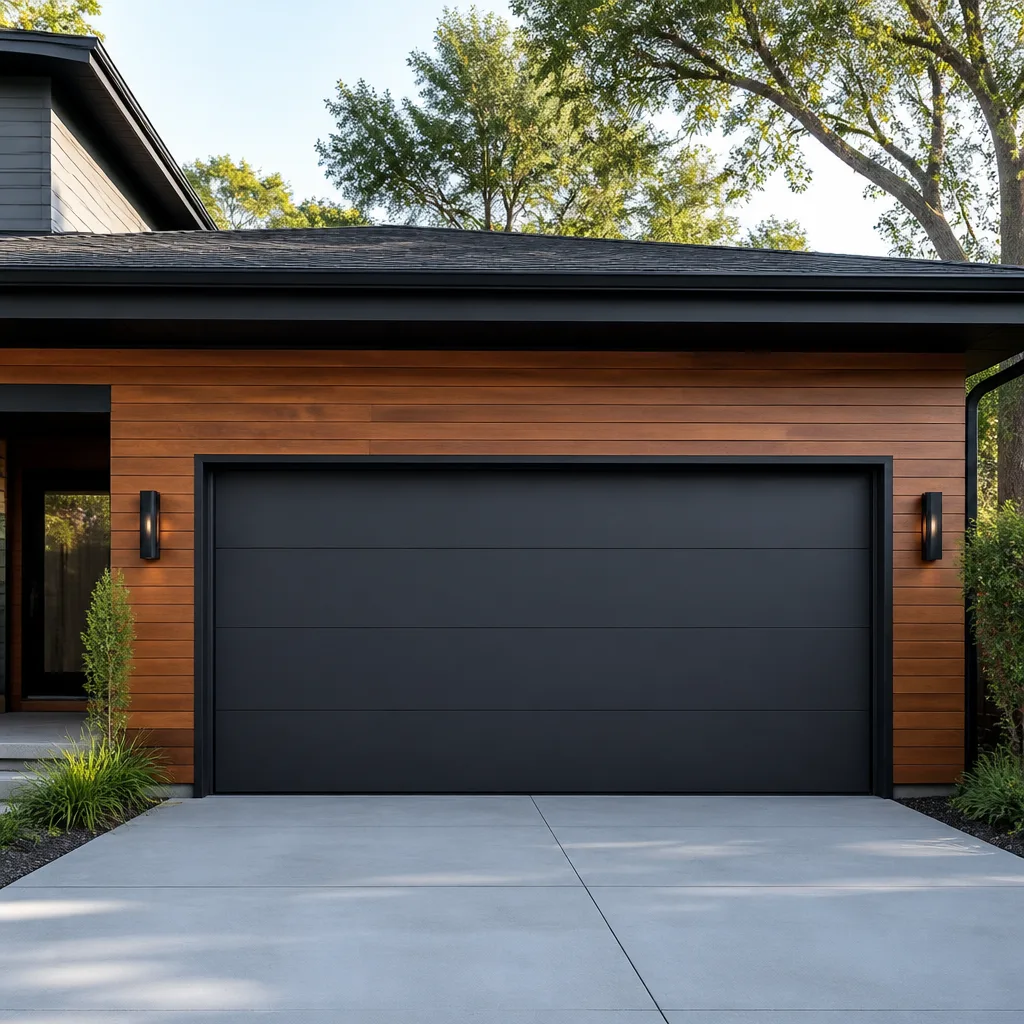 Modern flush
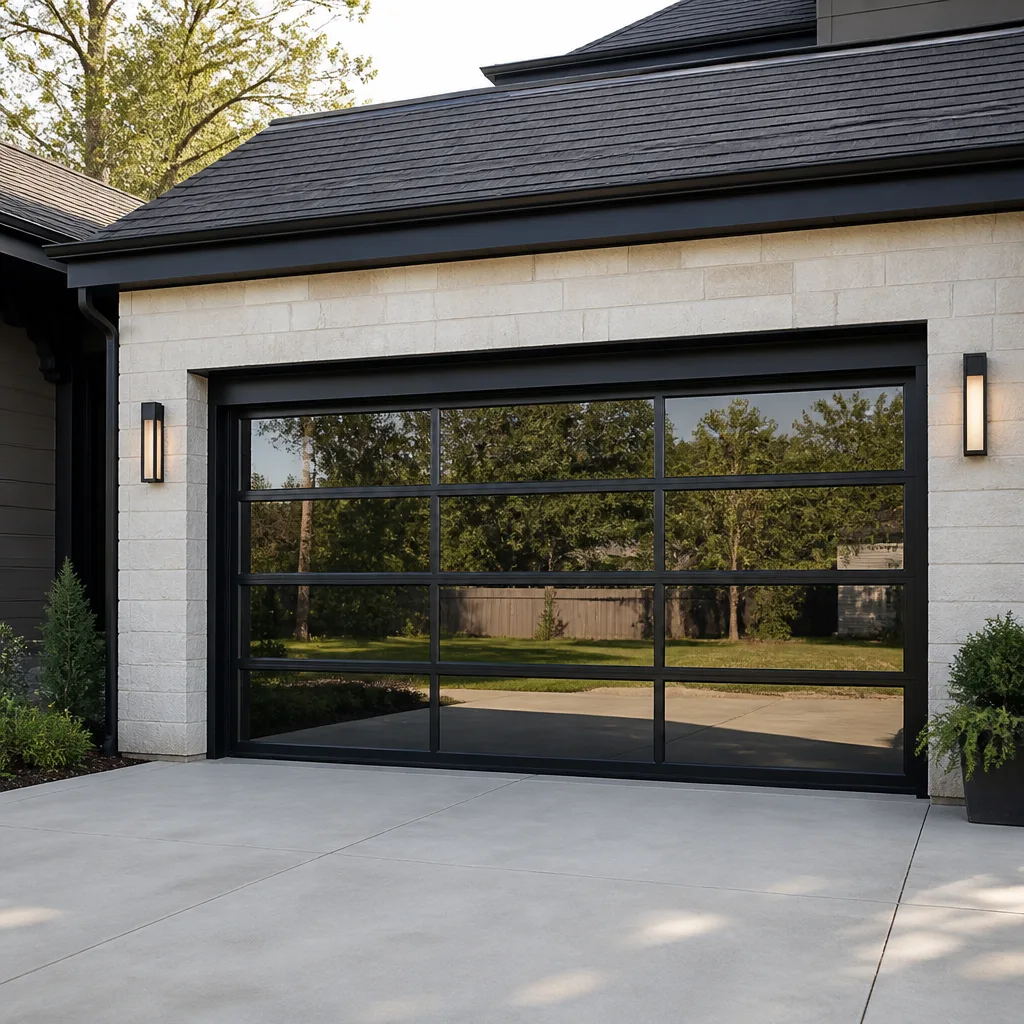 Full-view glass
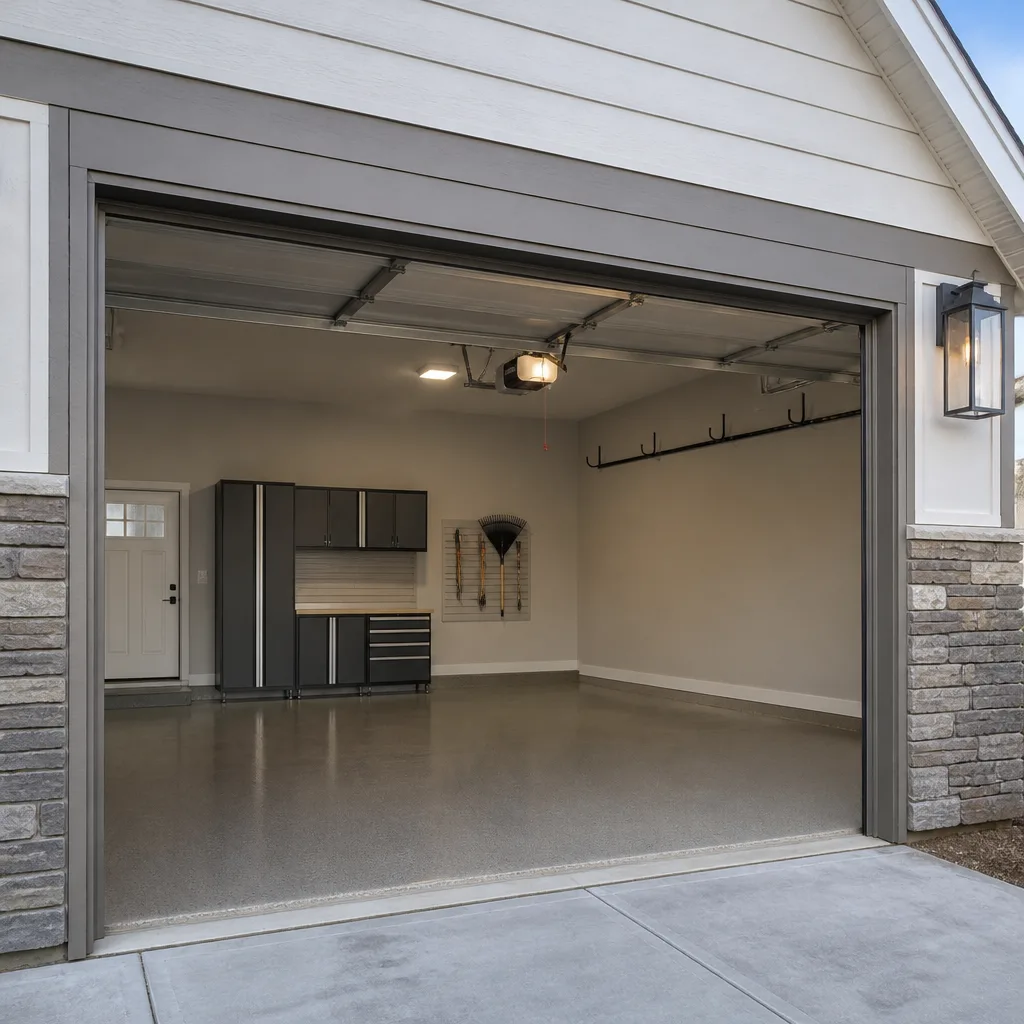 LiftMaster openers
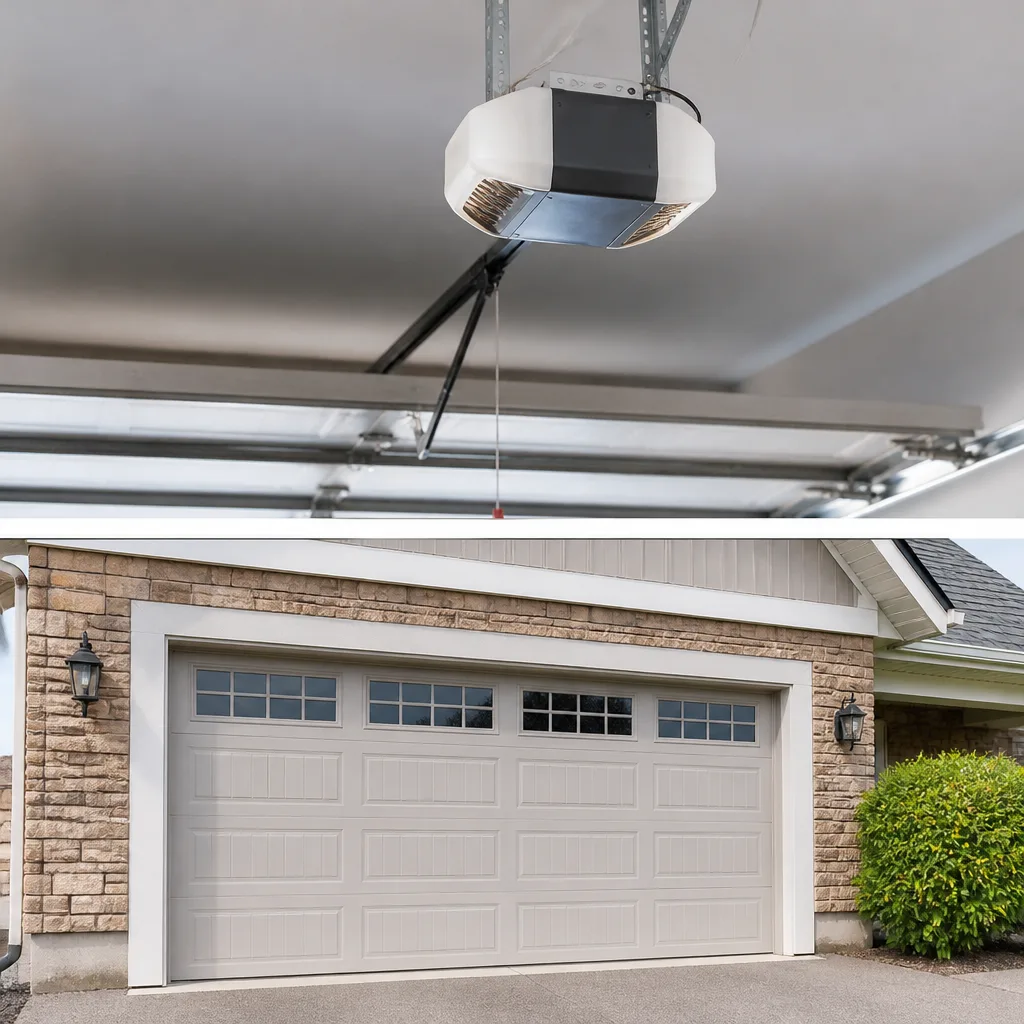 Chamberlain openers
Full 25-point door and opener safety check with every visit - springs, cables, rollers, tracks, and your LiftMaster or Chamberlain opener included
You get a price before we start. It does not change when the pro arrives.
Get your free estimateSeasonal Garage Door Care for Wayne: Year-Round Homeowner’s Guide
Most homeowners in Wayne assume their garage door is most likely to fail in the middle of a snowstorm. In our experience, that’s not how it works. February is the worst month for door failures in Wayne, and snowfall usually has little to do with it. By the time February arrives, repeated freezing and thawing between January and March has already fatigued every metal component in the system – springs, hinges, rollers, cables – so a door that seemed fine in December suddenly won’t lift. The strain built up quietly over weeks of temperature swings. This guide walks through that freeze-thaw cycle month by month, explains how it hits torsion springs, bottom seals, and track alignment here in Passaic County, and lays out the tasks to do in October to prevent failures in January. Wayne weather rewards homeowners who prepare ahead of the season, not during it.
Quick Answer
Garage door care in Wayne should follow a month-by-month calendar built around the local freeze-thaw cycle, not generic four-season advice. The most important window is October: lubricate moving parts, check the bottom seal, test the door balance, and inspect springs before the first hard freeze. Winter and early spring put the most stress on the door; summer humidity mainly affects wood doors and opener electronics. A short check in every season prevents most cold-weather failures.
Styles & brands we work with
- Raised-panel steel
- Carriage house
- Modern flush
- Full-view glass
- LiftMaster openers
- Chamberlain openers
Table of Contents
- Why Wayne’s Climate Is Harder on Garage Doors Than a Simple Four-Season Rule Suggests
- Your Month-by-Month Garage Door Calendar for Wayne
- How Freeze-Thaw Cycling Hits Torsion Springs, Bottom Seals, and Track Alignment
- Pre-Winter Prep: Why October Matters More Than November
- How to Winterize the Bottom Seal So Your Door Never Freezes to the Ground
- Summer Humidity: Wood Doors and Opener Electronics in Wayne
- Checking Your Springs Safely: What to Look For and What Not to Touch
- Storm Season and Safety Features in Wayne
Why Wayne’s Climate Is Harder on Garage Doors Than a Simple Four-Season Rule Suggests
Wayne sits in a mid-Atlantic climate with a specific pattern: winters cold enough to freeze hard and long, but warm enough that midday thaws happen repeatedly between storms. That combination is far harder on a garage door than a place that stays frozen all winter. A steady freeze puts the components under constant stress. A freeze-thaw cycle puts them under changing stress – expanding, contracting, expanding again – dozens of times between January and March. Each swing is a small mechanical event the door absorbs.
The typical Wayne winters bring overnight temperatures well below freezing and daytime temperatures that climb back above it, sometimes for days at a stretch, before another cold snap arrives. The door structure and hardware heat up and cool down with the garage. In summer, humidity climbs toward the sticky mid-Atlantic range. Wood doors soak up that moisture and then dry out again in fall. Opener electronics sit in a garage that’s cool and damp for much of the year. All of this happens slowly enough that homeowners don’t notice it until something breaks.
What’s less obvious is the sequence. The garage door is a system, and freeze-thaw cycling stresses it in a predictable order: first the seal at the floor, then the tracks and rollers, then the springs carrying the door’s weight. A homeowner who treats maintenance as one big annual task misses that order. This guide is structured around it.
Your Month-by-Month Garage Door Calendar for Wayne
A calendar built around Wayne’s actual weather is more useful than generic spring-and-fall advice. Here’s how the year breaks down in practice.
- January. Coldest stretch. Watch the door on cold mornings – if it opens roughly or won’t quite lift, the spring or track is strained. Don’t force it. Clear any ice under the bottom seal before moving the door.
- February. The most likely month for failure. The door has been through a month of freeze-thaw by now. Have a professional inspect springs and cables if you haven’t already.
- March. Deep freezes taper off, though late cold snaps aren’t unusual. Good time to plan spring repair work before warm weather arrives.
- April-May. Full inspection season. Balance the door, clean and lubricate the tracks and hinges, tighten hardware. Warmer days make problems obvious.
- June-August. Summer care focuses on wood doors and opener electronics. Check for swelling wood, sticking finish, and any app or remote issues with your opener.
- September. Early pre-winter preparation. Start thinking about lubrication and the bottom seal before the temperatures drop.
- October. The critical month. Everything that needs to happen before the first hard freeze should be done by the end of October.
- November-December. Late for major prep. Focus on testing the door, and consider garage door repair for anything that seems off before deep winter sets in.
If you want a shorter, less process-heavy view, the practical version is: heavy work in October and April, light checks every month in between. The Wayne Garage Door Repair Co approach to seasonal service follows that same shape.
How Freeze-Thaw Cycling Hits Torsion Springs, Bottom Seals, and Track Alignment
The sequence of freeze-thaw damage is consistent enough to predict, which is useful because it tells you what to look for and when.
First the bottom seal. The rubber U-shaped seal at the floor of the door is the most exposed component. Water from melting snow puddles under the door and refreezes overnight. The rubber gets pushed, pulled, and compressed. Over a winter it loses its flex, hardens, then warps or tears. Once it’s compromised, it lets cold air in and makes the freeze-to-the-floor problem worse.
Then the tracks and rollers. Cold metal contracts slightly and the tracks can pull out of alignment by a fraction of an inch – enough to make the rollers bind. Dirt and salt tracked in on the garage floor freezes onto the tracks, adding resistance. When the door runs against that resistance, rollers wear faster and the hardware loosens.
Then the springs. Torsion springs carry the weight of the door. They’re under load every time the door moves, and the number of movements matters – each open-close cycle works the spring. Cold weather makes the metal less flexible. A spring already partly fatigued from previous winters is far more likely to snap in February than in July, simply because of the accumulated cycle count and the cold. This is exactly the pattern we see in Wayne between January and March.
If your door has broken or you suspect a damaged spring, garage door spring repair is the service to call. Don’t try to test a spring under load yourself – that’s covered in more detail below.
Pre-Winter Prep: Why October Matters More Than November
October is the month that prevents January failures. November is often too late, and the reason is specific: once the first hard freeze hits, outdoor tasks are harder, contractors are busier, and small issues become big ones under cold load. Here’s what to finish before the end of October:
- Lubricate every moving part. Hinges, rollers, pivots, and the track itself. A garage door lubricant, not a general-purpose oil. This reduces cold-weather strain on the opener and springs.
- Inspect and clean the bottom seal. Look for cracks, hardening, or tears. Replace if it’s past its life.
- Test door balance. Disconnect the opener and lift the door halfway manually. It should stay there. If it won’t, or won’t lift, the spring is a problem – stop and call a professional.
- Check the weatherstripping and side seals. Gaps let in cold air and water. Water freezes into ice at the door base.
- Clear the garage floor. Remove dirt, leaves, or debris near the door line. Refreezing water needs a channel under the door to freeze the seal to the ground.
- Have the springs inspected professionally. A trained technician can look at a torsion spring for signs of fatigue that a homeowner can’t safely assess.
For anything on that list you’re not comfortable doing, book the work in October. Once the freezing begins, scheduling gets harder in Wayne and surrounding towns, and any cold-weather problem is that much more expensive to solve.
How to Winterize the Bottom Seal So Your Door Never Freezes to the Ground
A door that freezes to the floor overnight is a safety hazard and the most common winter complaint in this climate. It happens when melting snow or rain pools under the bottom seal and refreezes. The rubber seal and the door bottom can freeze solid to the concrete. The danger is that opening the door – manually, or with an opener – can rip the seal off or damage the door bottom.
Winterizing the bottom seal means a few specific steps:
- Check the seal now. Press it at several points along the door base. If it’s hard, cracked, or falls away from the door, replace it before cold weather.
- Adjust the door’s down limit. The door should close firmly but not press hard on the floor. Too much pressure flattens the seal and creates contact for freezing.
- Keep the threshold clear. Shovel or sweep away snow and standing water from the garage apron. Don’t let water pool in the door channel.
- Consider a threshold seal. A concrete threshold seal (a raised rubber strip fixed to the floor) helps water drain away from the door and prevents pooling at the seal contact line.
- Check for water intrusion from the driveway. If the driveway slopes toward the garage, water collects at the door. Raising the floor or adding a drainage slope is a bigger fix, but worth knowing about.
Get the seal work done by the end of October. A new seal costs far less than a door that won’t open in January, and it protects the door’s bottom panel from water damage.
Summer Humidity: Wood Doors and Opener Electronics in Wayne
Wayne’s mid-Atlantic summers bring sticky, humid air, and that has two specific effects on a garage door system.
Wood doors. A wood garage door absorbs humidity through the summer and swells slightly. You’ll see it as paint or finish cracking, panels rubbing against edges, or gaps that appear and disappear through the year. The critical habit is to keep a good finish on the door – paint or stain, edges sealed. Water that gets into the wood grain causes warping and rot. If you have a painted wood door, check the bottom edges and the backside, which are exposed to moisture but rarely painted.
Opener electronics. Damp garages are hard on openers. The circuit board, motor housing, and battery backup are all vulnerable to moisture. Smart openers like those from LiftMaster and Chamberlain add a specific symptom: when humidity is high, the Wi-Fi connection can be unreliable, or the app may log the door as open when it’s closed. Check the safety sensors and door travel when the opener is misbehaving, then the connection. Genie and Raynor systems have similar behaviors. If the opener itself is the problem, garage door opener repair covers it.
A few simple summer habits help:
- Run a dehumidifier in the garage if wood doors or electronics are struggling.
- Keep the opener’s battery backup fresh. It’s the difference between a working door and a dead one when power goes out.
- Clean the safety sensors of cobwebs and dust – a summer issue that causes phantom reverses.
- Inspect the door finish on wood doors before fall, so any water has time to dry out before freezing.
Checking Your Springs Safely: What to Look For and What Not to Touch
Torsion and extension springs are under high tension, and they can cause serious injury if handled incorrectly. This is not a component for homeowner repair. Even the inspection part needs care – if you suspect a problem, don’t touch the spring or try to measure or unload it yourself. But there are safe ways to spot trouble before it becomes an emergency.
Safe things to look for:
- A door that feels unusually heavy when you lift it manually (with the opener disconnected).
- Audible snapping or popping on opening.
- A visible gap in a torsion spring, or a broken extension spring hanging loose.
- A door that won’t stay up halfway – a balance problem that often means spring tension is off.
What not to do:
- Never try to adjust tension on a torsion spring with winding bars unless you’re a trained technician. This is the most dangerous part of the whole door system.
- Never reach into the spring area while the door is under power.
- Never assume a snapped spring is a minor problem – the door’s weight is no longer supported, and the opener will struggle to lift it, damaging the motor.
Spring repair is a named core service for a reason. Our technicians handle high-tension torsion and extension spring replacement safely across all major systems, including torsion setups common on Raynor and Clopay doors. Whatever the door brand, we know what to look for.
Storm Season and Safety Features in Wayne
Wayne gets its share of strong storms, mostly in the summer, and the garage door is often the biggest opening in a home. Two safety features matter most in storm season:
- The auto-reverse and safety sensors. Test them at least once a month. Place a small object in the door’s path – a roll of paper towels works. The door should reverse immediately. If it doesn’t, the sensors or opener are out of adjustment.
- Door balance under wind load. A door that’s properly balanced and has good weather seals is less likely to be pushed off track by strong wind. Check the side seals and the bottom seal before storm season.
If a storm knocks the door off track or a damaged door leaves the garage open, that’s an emergency situation. Emergency service is a dedicated offering for exactly these problems – a door that won’t close, a broken spring, or a failed opener. You can call and we’ll respond as quickly as we can.
Common Mistakes to Avoid
- Waiting until January to prepare. By January, the freeze-thaw cycle is already underway. October is the deadline for the important outdoor tasks. A November start misses the window for some of them.
- Using general-purpose oil on the tracks. Oil attracts dirt and dust, which makes the rollers bind faster. Use a garage-door-specific lubricant, and apply sparingly.
- Forcing a frozen door open. If the door is stuck to the ground, lift the seal gently with a flat tool before opening. Forcing it can rip the seal or damage the door bottom.
- Ignoring the bottom seal in summer. It’s the easiest component to replace and the most exposed to freeze damage. Check it in spring, replace it before fall.
- Trying to adjust torsion springs yourself. This is a real safety issue. High-tension springs cause serious injuries every year, and this is a job for a trained technician.
- Skipping the fall balance test. Disconnecting the opener and testing the door halfway is a two-minute check that tells you whether the spring is carrying its load. Most homeowners never do it.
- Assuming a smart opener means nothing needs checking. App-controlled openers from LiftMaster, Chamberlain, and Genie are convenient but still need sensors cleaned, backup batteries replaced, and travel limits adjusted through the year.
See the difference
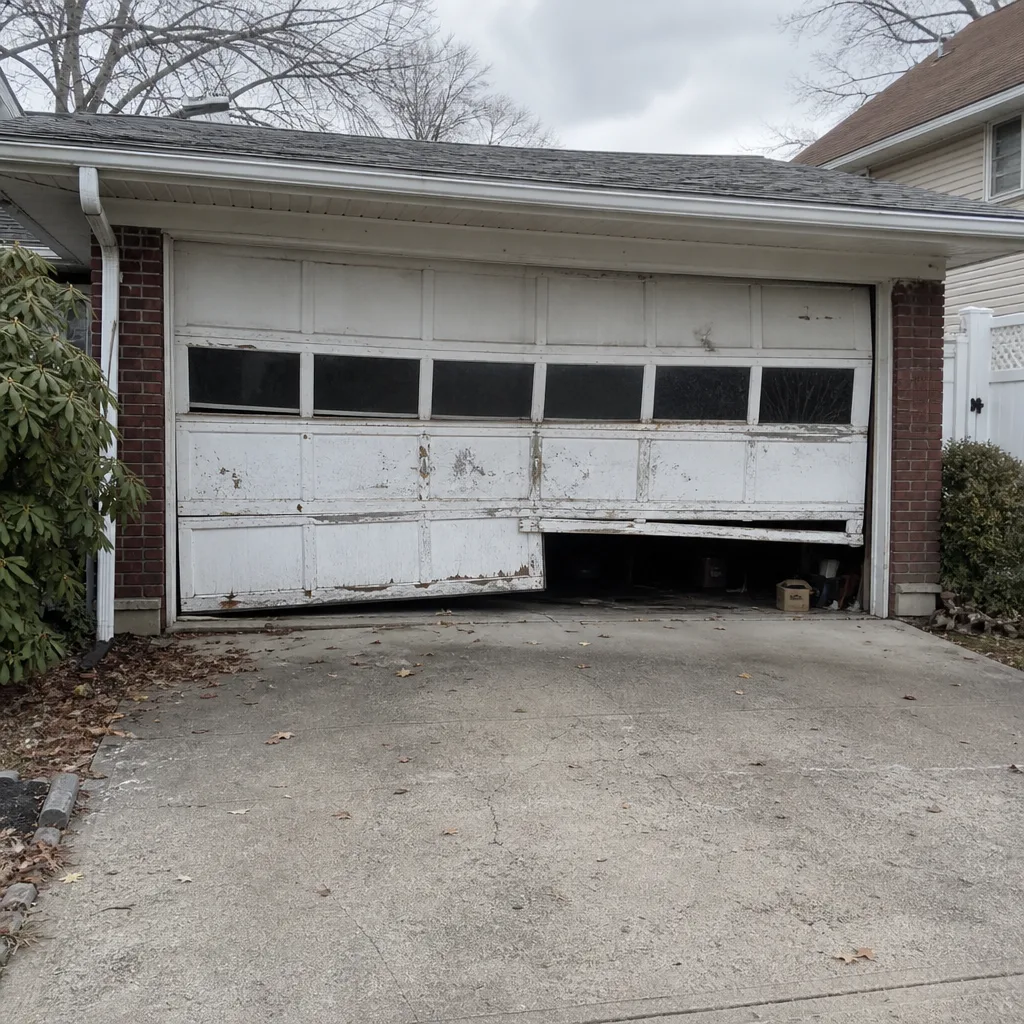 Before
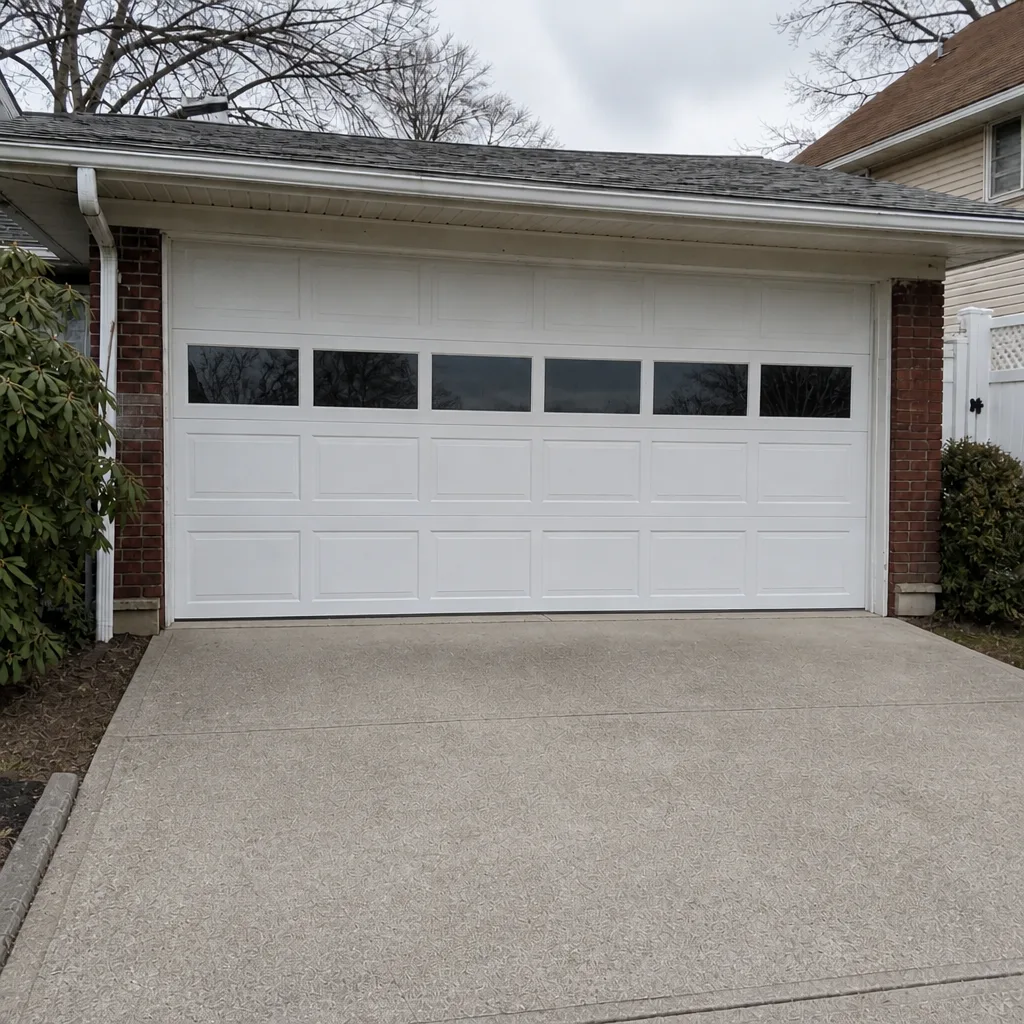 After
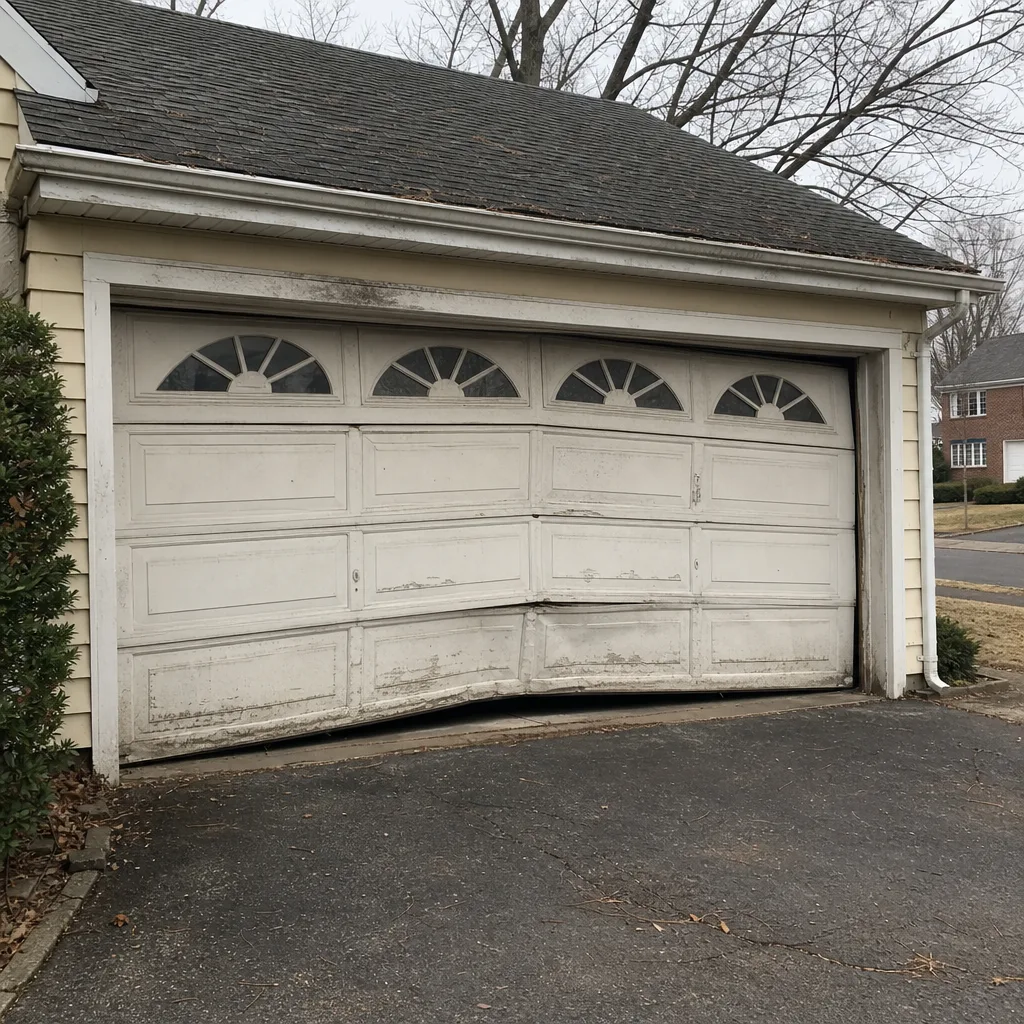 Before
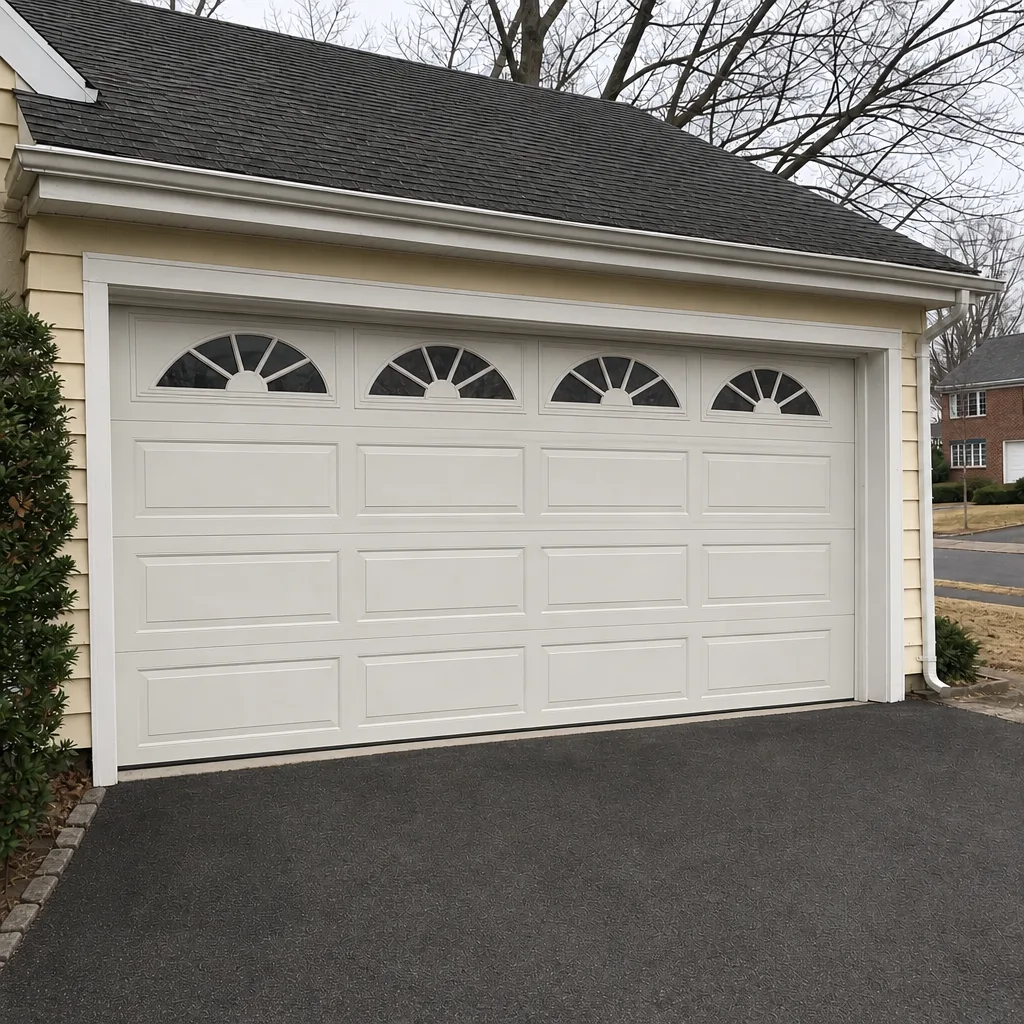 After
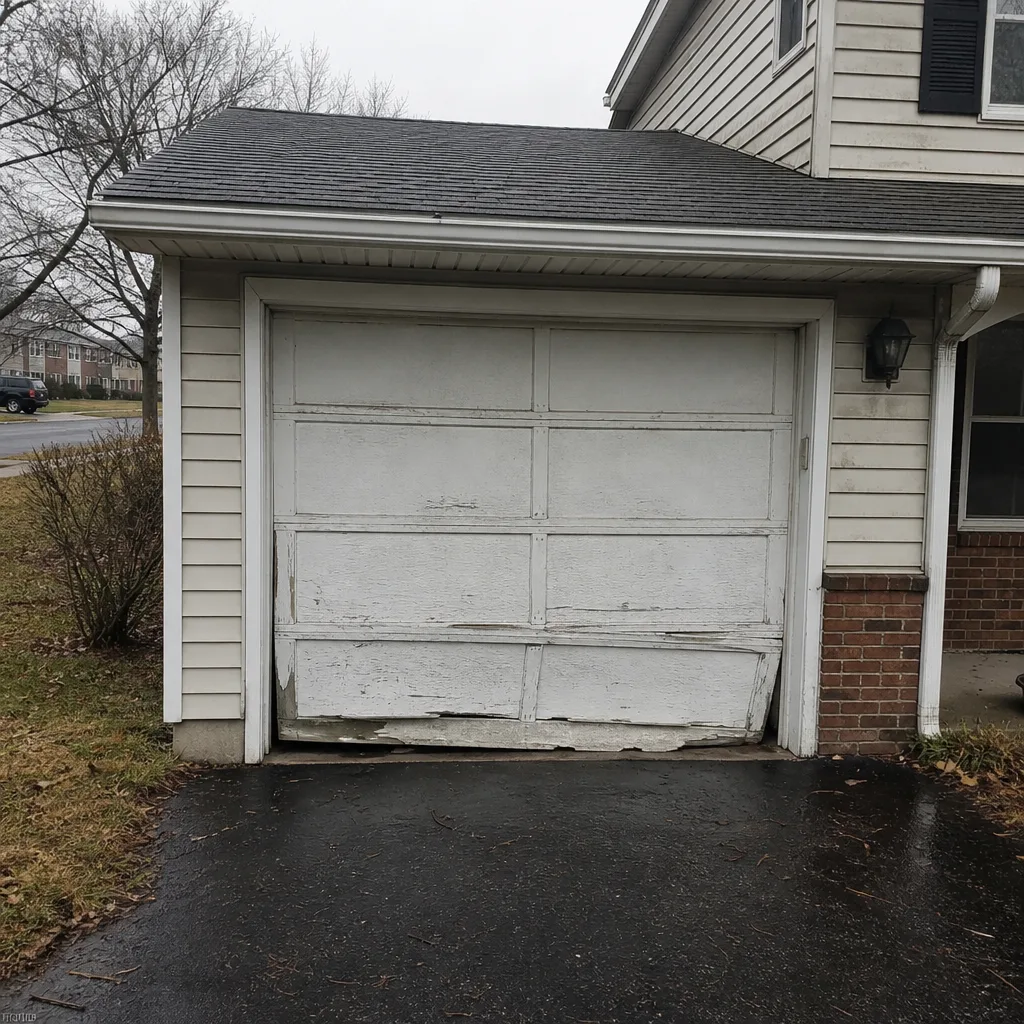 Before
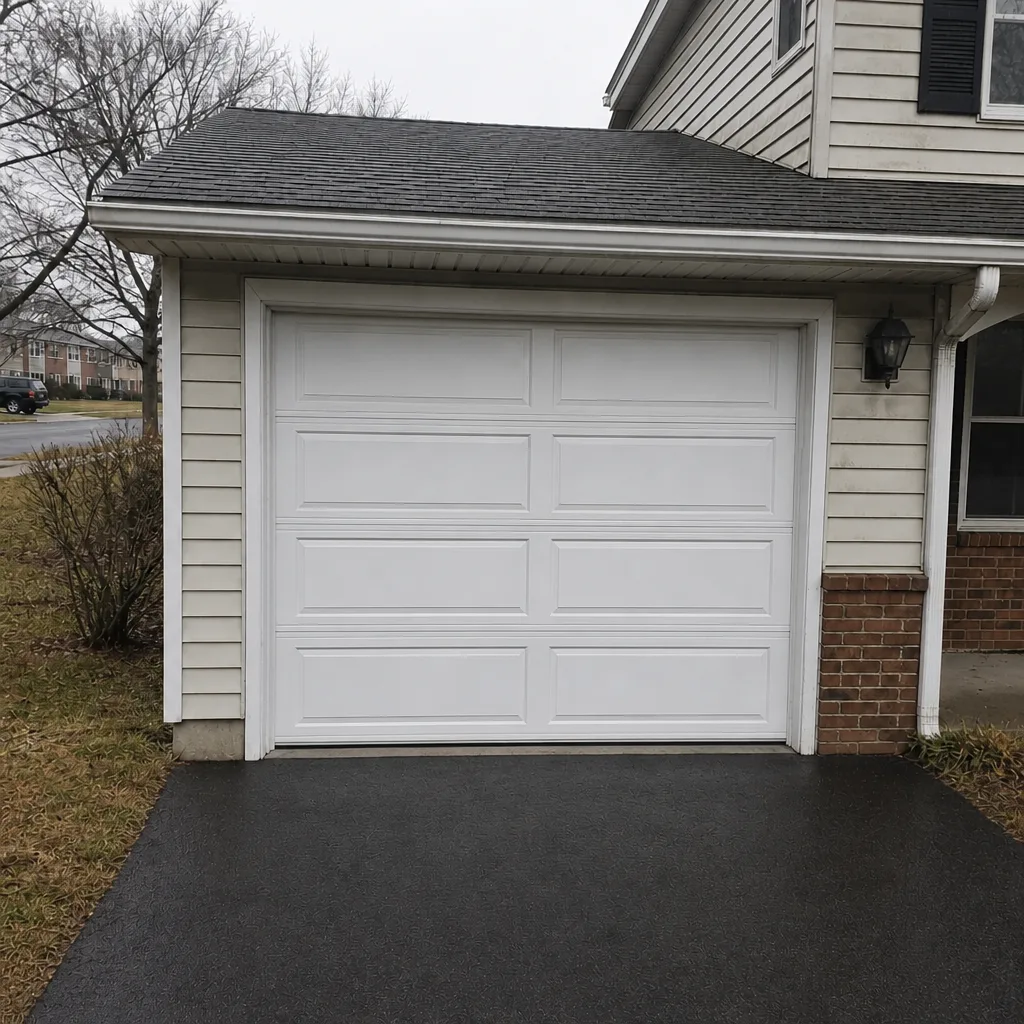 After
When to Call a Professional
Most seasonal tasks – lubrication, seal inspection, sensor cleaning, and door balance testing – are safe for a homeowner. Call a professional for anything involving springs, cables, torsion hardware, or a door that’s off track. Also call if the opener reverses randomly, won’t lift the door reliably, or if your door has frozen to the ground and won’t release. These are not jobs to handle yourself. Wayne Garage Door Repair Co offers free estimates in Wayne and can diagnose and fix problems across all major brands, including the systems on Raynor and Genie doors. Call (833) 482-6691.
Frequently Asked Questions
Once a year is the minimum, with a short check every season. In Wayne, the most useful schedule is a full inspection in April, a pre-winter prep in October, and monthly testing through the winter. If your door is older or has had repairs in the past, twice a year is better.
February follows the coldest stretch of the year in Wayne, and by then repeated freeze-thaw cycles have stressed the springs, seals, and tracks. Cold makes the metal more brittle and the seal less flexible, so a door that survived December often breaks in February. It’s cumulative strain, not a single event.
Yes. Check and replace the bottom seal before fall, keep water from pooling under the door, and make sure the door closes with light pressure, not a hard press. A concrete threshold seal that drains water away from the door helps too. Get the seal work done in October.
Mostly the same care, with one addition: check the app connection and Wi-Fi reliability in humid summer months. LiftMaster and Chamberlain systems with smart features can log false open/closed states when humidity is high. Test the safety sensors and travel limits along with the app.
A door that suddenly feels heavy, makes a loud snap, or won’t stay up halfway is showing a spring failure. A visible gap in a torsion spring or a broken extension spring hanging loose confirms it. Don’t try to fix it – call a technician. Broken springs are dangerous and the door is no longer safely balanced.
Some of it you can do yourself – lubrication, seal checks, sensor cleaning. The professional part matters for springs, cables, and balance checks, which are the highest-risk components. A professional inspection in October can catch fatigue before it becomes a January failure. Call (833) 482-6691 for a quote.
The Bottom Line
Seasonal garage door care in Wayne comes down to one principle: prepare in October, so nothing fails in February. The freeze-thaw cycle starts quietly in January and works the door’s components in a predictable order – seal first, then tracks, then springs. Winter failures are the result of that accumulated stress, not the snow that happens to fall the same week. Lubricate moving parts, check the bottom seal, test the door balance, and have springs inspected before the first hard freeze. In summer, watch wood doors and opener electronics. If your door is overdue for a check or you’ve spotted a problem, Wayne Garage Door Repair Co offers free estimates in Wayne, and one call covers it – from a seasonal check to a full install. Call (833) 482-6691.
Written by the team at Wayne Garage Door Repair Co.